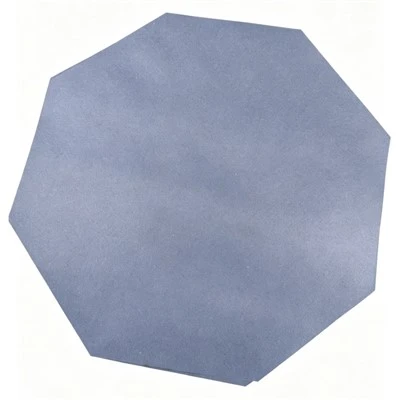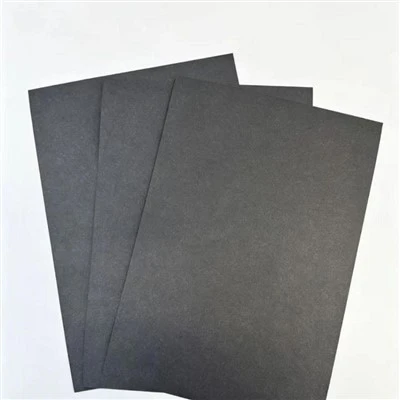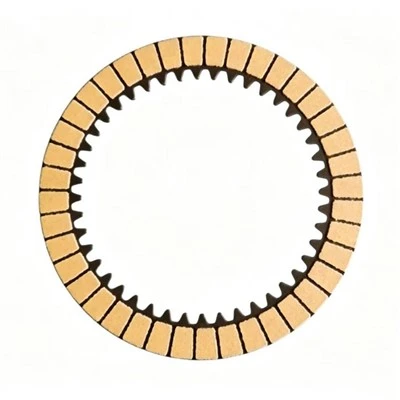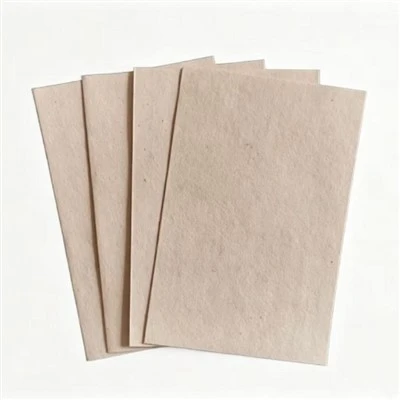

Materials for wet friction discs typically include metal-matrix composites, ceramic-matrix composites, organic composites, copper-based powder metallurgy materials, and wet paper-based materials. Each of these materials possesses unique characteristics designed to meet specific performance requirements.
Metal-matrix composites-akin to a steady, reliable "strongman"-are constructed from metal particles and a binder. They offer excellent wear resistance and high heat resistance, performing exceptionally well under conditions involving high speeds and high torque output. For instance, in high-performance sports cars, wet friction discs made from metal-matrix composites ensure efficient and safe power transmission. However, their high cost means they are most commonly found in high-end models that prioritize ultimate performance.
Ceramic-matrix composite friction discs are the "heat-resistance pioneers" of the field. They boast exceptional heat and wear resistance, maintaining their integrity even under the harsh conditions of high temperatures and heavy loads. In racing, where engines generate immense heat during prolonged, high-intensity operation, these discs leverage their inherent strengths to provide stable, reliable braking performance. Yet, they possess relatively poor impact resistance-much like a highly skilled dancer who is nonetheless somewhat delicate.
Organic composite friction discs represent the "best value" option. Composed of resin and fiber-reinforced materials, they offer decent heat resistance and vibration-damping capabilities, making them suitable for standard operating environments. For most everyday passenger vehicles, they meet normal usage needs while remaining cost-effective, offering an economical and practical choice for consumers. Although they may lag slightly in wear resistance, they are more than capable of handling the usage patterns typical of family cars.
Copper-based powder metallurgy materials are widely used in wet friction applications. They offer excellent performance, including high permissible surface temperatures and pressures, and function reliably in wet environments. These materials provide good frictional characteristics and a long service life, making them suitable for a wide range of vehicle types.
Wet paper-based materials are a type of polymer composite that achieves versatile performance tuning through a clever combination of fiber-reinforced materials, organic binders, and friction modifiers. They offer good frictional performance and excellent cost-effectiveness, making them suitable for various types of vehicles. In summary, wet friction plates made from different materials each have their own distinct advantages regarding wear resistance, heat resistance, and cost. When making a selection, automakers comprehensively evaluate factors such as the vehicle's intended use, performance requirements, and budget to choose the most suitable friction plate material, thereby ensuring a high-quality driving experience for users.