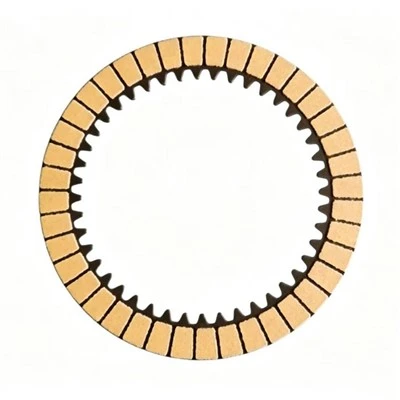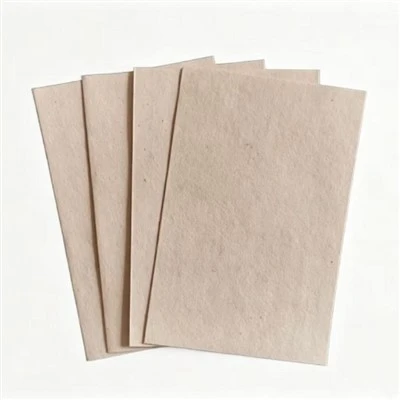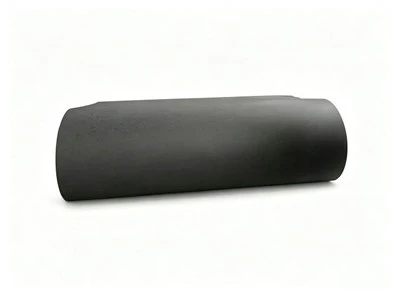

The density of the paper-based substrate in wet friction discs typically ranges from 0.9 to 1.4 g/cm³. While this range may vary depending on the specific manufacturing processes and material formulations used by different manufacturers, it generally falls within these limits. For precise figures, please consult the relevant product specifications or contact the manufacturer.
Wet friction discs are friction materials widely used in sectors such as automotive engineering and construction machinery; they are primarily composed of a paper-based substrate, an adhesive layer, and a friction material layer. The paper-based substrate serves as the foundation of the disc, providing structural support and acting as a connecting element. So, what is the density of this paper-based substrate?
Density Range of the Paper-Based Substrate
The density of the paper-based substrate in wet friction discs typically falls between 0.9 and 1.4 g/cm³. This range varies according to the production processes and material formulations of different manufacturers. Density is defined as mass per unit volume; for the paper-based substrate of wet friction discs, density is primarily influenced by factors such as the type of pulp, moisture content, and the type and quantity of additives used.
Factors Influencing the Density of the Paper-Based Substrate
Pulp Type: Different types of pulp possess varying fiber properties-such as length, thickness, and strength-which in turn affect the density of the substrate.
Moisture Content: Moisture content in the pulp must be strictly controlled during the manufacturing process. Excessive or insufficient moisture can impact both the density and the performance of the substrate.
Types and Quantities of Additives: To enhance the performance of wet friction discs, manufacturers often incorporate substances such as resins and mineral powders into the paper-based substrate. The specific types and quantities of these additives also influence the substrate's density.
Applications and Performance Requirements of Wet Friction Discs
Wet friction discs are widely used in automotive and construction machinery applications, primarily for torque transmission and braking. To ensure stable and reliable performance, national standards impose strict requirements regarding metrics such as friction characteristics and wear rates. For example, GB/T 21955-2008, *Technical specifications for paper-based friction discs for agricultural and forestry tractors and machinery*, requires a dynamic friction coefficient of 0.11–0.14, a static friction coefficient of 0.12–0.17, and a wear rate of less than 5 × 10⁻⁸ cm³/J.
Conclusion
In summary, the density of paper-based wet friction discs typically ranges from 0.9 to 1.4 g/cm³, with specific values influenced by various factors. To ensure stable and reliable performance, manufacturers must strictly control production processes and material formulations to meet national standards and customer requirements.