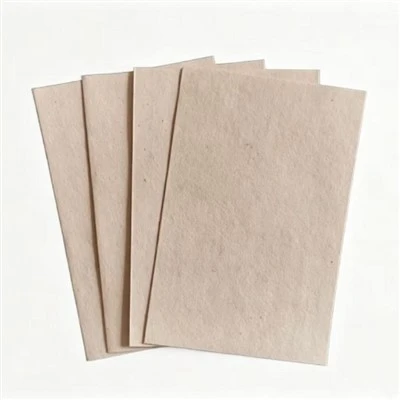

The raw materials for cotton pulp are primarily derived from textile industry cotton waste (including scraps and discarded cotton fabrics) and cotton linters (a byproduct of cotton processing). Production utilizes the caustic soda (sodium hydroxide) method-a type of chemical pulping-where high-temperature cooking decomposes the non-cellulosic components of the raw materials. Impurity removal involves distinct process routes and equipment to eliminate contaminants mixed with the raw materials, employing both chemical methods for impurity removal and physical (or physicochemical) methods for slag/debris removal.
International technologies for pulping cotton linters include oxygen-alkali cooking, hydrogen peroxide bleaching, integrated cooking-bleaching-washing processes, and the use of Bivis technology for linter processing. Experimental studies indicate that pre-treated waste cotton garments yield cotton pulp with optimal physical properties when processed to a beating degree of 45°SR at a consistency of 1%. For paper made from waste cotton fabric pulp, sheet density, tensile index, and folding endurance increase with the degree of beating; the tear index initially rises as beating progresses but subsequently declines.
The production process generates large volumes of wastewater with high pollution loads. Pollutants in cotton pulp wastewater primarily include suspended solids (such as cellulose and cellulose fines), readily biodegradable organic matter (such as hemicellulose and oligosaccharides), and recalcitrant organic matter (such as lignin). Common treatment methods include alkali recovery, acid precipitation, coagulation, membrane separation, and biological treatment. Currently, most domestic cotton pulp manufacturers employ a three-stage wastewater treatment process-hydrolysis, aerobic treatment, and coagulation-while a minority utilize a sequence of hydrolysis, anaerobic treatment, aerobic treatment, and coagulation.