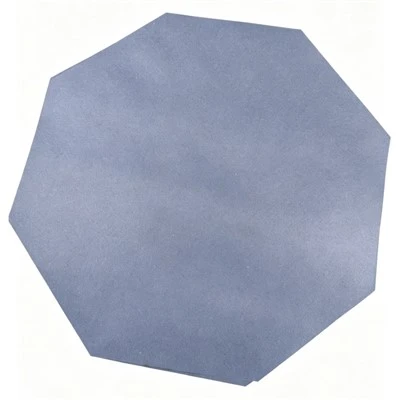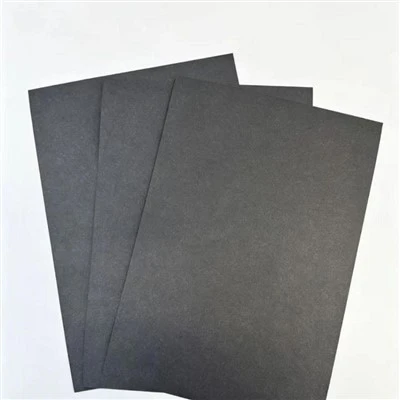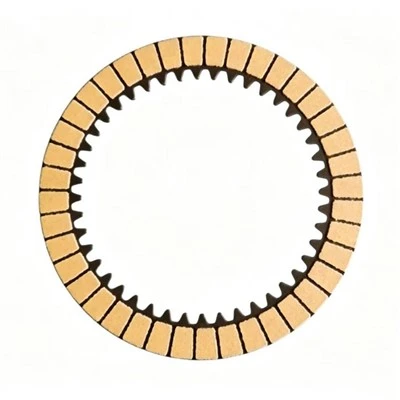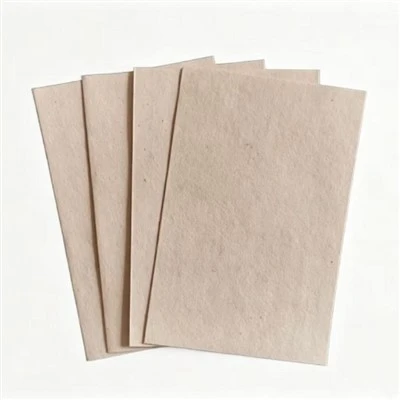

Using V-shaped filter paper in series with activated carbon is a common solution for treating paint spray exhaust, capable of simultaneously removing paint mist particles and volatile organic compounds (VOCs).
A typical configuration places the V-shaped filter paper as the first stage to capture oversprayed paint mist particles, while the activated carbon filter serves as the second stage to adsorb organic solvent vapors-such as benzene, toluene, and xylene-from the exhaust stream. The advantages of this combination are twofold: the high-efficiency interception provided by the V-shaped filter paper protects the downstream activated carbon by preventing paint mist particles from clogging its micropores, thereby extending the carbon's service life; conversely, the activated carbon compensates for the V-shaped filter paper's inability to remove gaseous pollutants.
According to product specifications, this combination can adsorb over 70% of harmful gases. In practical engineering applications, several factors require attention: first, a specific distance should be maintained between the two filter stages, or an airflow distribution device should be installed to ensure uniform airflow through the activated carbon layer; second, the saturation level of the activated carbon should be checked regularly in alignment with the replacement cycle of the V-shaped filter paper; third, the activated carbon requires periodic regeneration or replacement to maintain adsorption efficiency. For applications with stricter emission standards, a three-stage filtration scheme-combining V-shaped filter paper, a medium-efficiency bag filter, and activated carbon-may be employed to achieve superior exhaust treatment results.