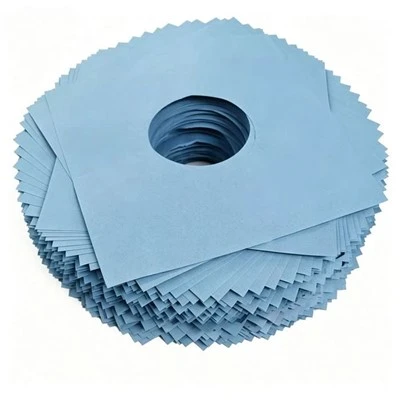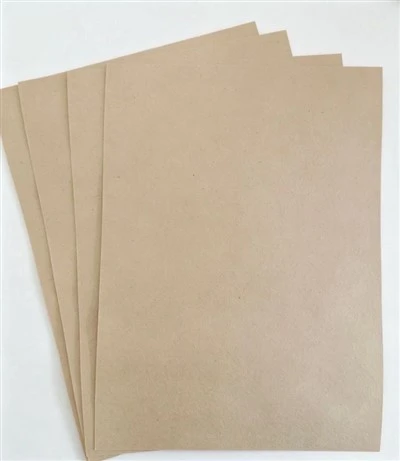


What happens if I don't use PCB Hot - press Interlayer Paper in PCB hot - pressing?
In the realm of printed circuit board (PCB) manufacturing, hot - pressing is a critical process that significantly impacts the quality and performance of the final product. One often overlooked yet crucial component in this process is the PCB Hot - press Interlayer Paper. As a professional supplier of PCB Hot - press Interlayer Paper, I am here to shed light on the potential consequences of omitting this essential material from your PCB hot - pressing operations.
The Role of PCB Hot - press Interlayer Paper in PCB Hot - pressing
Before delving into what happens without it, it's essential to understand why PCB Hot - press Interlayer Paper is so important. During the hot - pressing of PCBs, layers of copper foil, prepreg, and core materials are stacked together and subjected to high temperature and pressure. The purpose is to bond these layers firmly to create a functional and reliable PCB.
The PCB Hot - press Interlayer Paper serves several crucial functions. Firstly, it acts as a release agent. During the high - temperature and high - pressure process, the various materials in the PCB stack can stick to the press platens. The interlayer paper prevents this direct contact, ensuring that the PCB can be easily removed from the press after the hot - pressing is complete. This not only simplifies the manufacturing process but also reduces the risk of damage to the PCB surface.
Secondly, the interlayer paper helps to distribute pressure evenly across the PCB stack. In a hot - press, uniform pressure distribution is vital for achieving consistent bonding between the layers. If the pressure is uneven, some areas of the PCB may not be properly bonded, leading to delamination or other structural defects. The interlayer paper has the properties to absorb and redistribute the pressure, ensuring that every part of the PCB receives the appropriate amount of force during the hot - pressing.
Moreover, the interlayer paper can also absorb excess resin from the prepreg during the hot - pressing. Prepregs are resin - impregnated fiberglass sheets that play a key role in bonding the layers of the PCB. When heated, the resin in the prepreg becomes fluid and can flow. The interlayer paper acts as a sponge, soaking up the extra resin to prevent it from pooling on the PCB surface or seeping into unwanted areas.
Consequences of Not Using PCB Hot - press Interlayer Paper
1. Adhesion to Press Platens
One of the most immediate problems you'll encounter if you don't use PCB Hot - press Interlayer Paper is the adhesion of the PCB to the press platens. Without the protective barrier provided by the interlayer paper, the hot and sticky materials in the PCB stack, especially the resin from the prepreg, can bond directly to the platens. This makes it extremely difficult to remove the PCB from the press. In some cases, forceful removal can cause damage to the PCB surface, such as scratches, dents, or even the peeling off of copper traces. This not only ruins the appearance of the PCB but can also lead to electrical failures due to damaged circuitry.
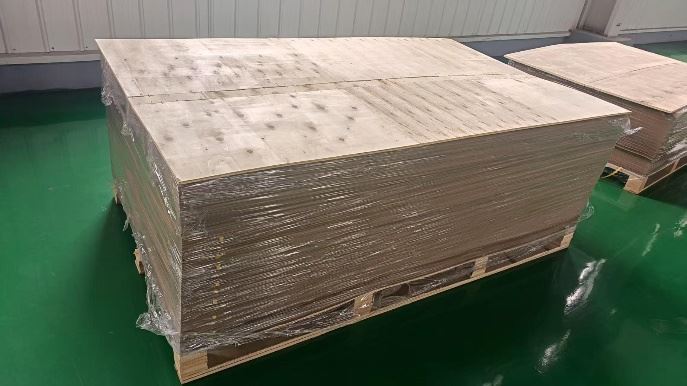
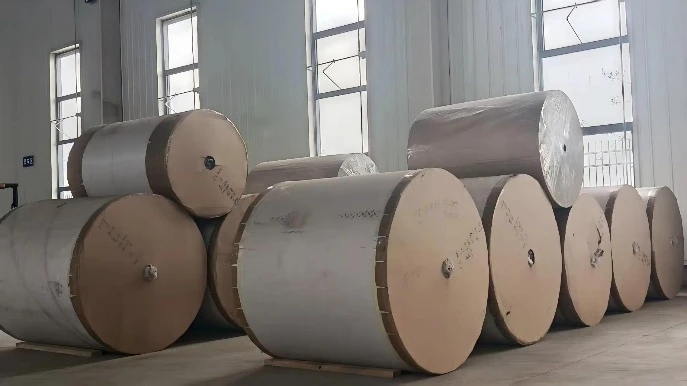
2. Uneven Pressure Distribution
As mentioned earlier, uniform pressure distribution is crucial for proper PCB layer bonding. Without the interlayer paper, the pressure applied during hot - pressing may be uneven. Areas of the PCB stack that receive less pressure may not bond properly, resulting in delamination. Delamination is a serious defect where the layers of the PCB separate from each other. This can lead to open circuits, shorts, or reduced mechanical strength of the PCB. In high - performance applications such as aerospace or telecommunications, delamination can cause catastrophic failures and put the entire system at risk.
3. Resin Pooling and Contamination
Excess resin from the prepreg is a natural by - product of the hot - pressing process. When there is no interlayer paper to absorb it, the resin can pool on the PCB surface. Resin pooling not only affects the aesthetic appearance of the PCB but also creates a risk of short - circuits. The pooled resin can bridge between adjacent copper traces, causing unwanted electrical connections and circuit malfunctions.
In addition, the excess resin can also contaminate the press platens. Once the platens are contaminated, they need to be cleaned regularly to maintain their performance. The cleaning process is time - consuming and may require the use of special solvents, which adds to the production cost. Moreover, if the contaminated platens are not cleaned properly, they can transfer contaminants to subsequent PCBs, further degrading the quality of the manufactured products.
4. Reduced Production Efficiency
The problems caused by not using PCB Hot - press Interlayer Paper can significantly reduce production efficiency. The time spent dealing with PCBs stuck to the platens, correcting delamination issues, and cleaning contaminated platens all add up to longer production cycles. This means that you can produce fewer PCBs in a given period, which can have a negative impact on your business's bottom line. Additionally, the increased scrap rate due to damaged PCBs also means higher material costs.
The Importance of High - Quality PCB Hot - press Interlayer Paper
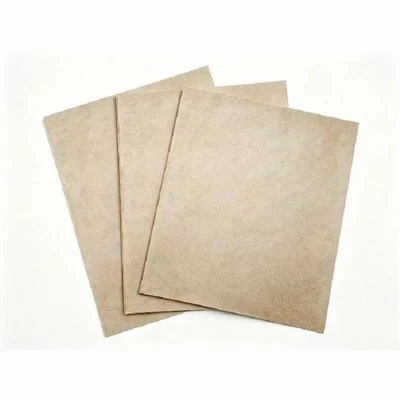
Not all PCB Hot - press Interlayer Papers are created equal. Using high - quality interlayer paper is essential for ensuring the best results in PCB hot - pressing. Our company offers PCB Hot - pressed Kraft Paper, which is specifically designed for the PCB hot - pressing process. Our paper has excellent release properties, ensuring easy removal of the PCB from the press. It also has a high degree of pressure distribution capacity, helping to achieve consistent bonding between PCB layers.
In terms of resin absorption, our interlayer paper can absorb a large amount of excess resin, preventing resin pooling and contamination. This not only improves the quality of the PCBs but also reduces the maintenance requirements for the press equipment.
Conclusion and Call to Action
In conclusion, the use of PCB Hot - press Interlayer Paper is indispensable in the PCB hot - pressing process. Omitting this material can lead to a host of problems, including adhesion to press platens, uneven pressure distribution, resin pooling, and reduced production efficiency. As a trusted supplier of high - quality PCB Hot - press Interlayer Paper, we are committed to providing our customers with the best solutions for their PCB manufacturing needs.
If you are looking to improve the quality and efficiency of your PCB hot - pressing process, or if you have any questions about our PCB Hot - press Interlayer Paper, we invite you to contact us for a procurement discussion. We believe that with our high - quality products and professional service, we can help you achieve better results in your PCB manufacturing operations.
References
- Smith, J. (2018). Advanced PCB Manufacturing Techniques. Publisher: Tech Books Inc.
- Johnson, M. (2020). The Role of Materials in PCB Hot - pressing. Journal of Printed Circuit Board Technology, 15(2), 34 - 45.