

Hey there! As a wool paper supplier, I get asked a ton of questions about our products. One question that pops up fairly often is, "Can I paint on wool paper?" In this blog post, I'm gonna dive deep into this topic, share some insights, and clear up any confusion you might have.
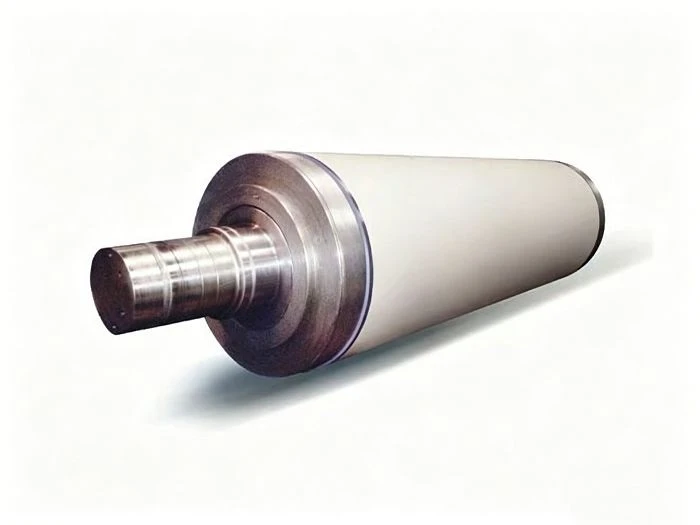
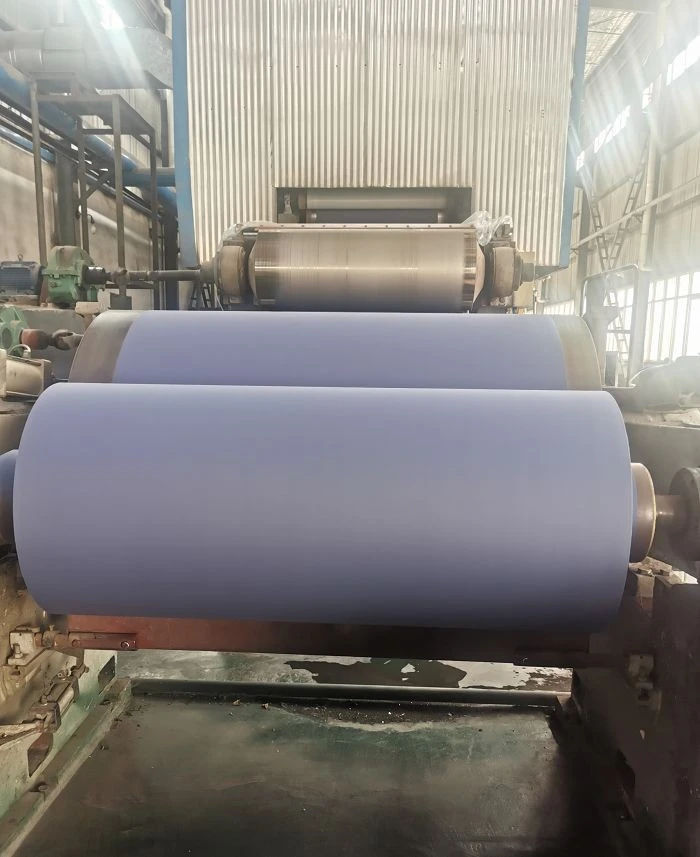
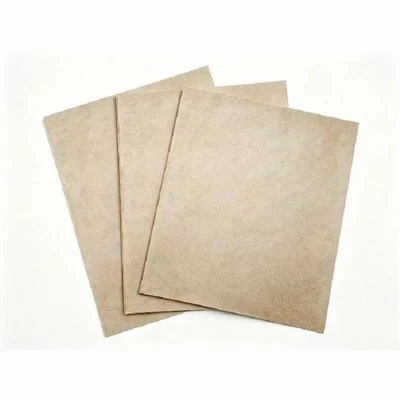
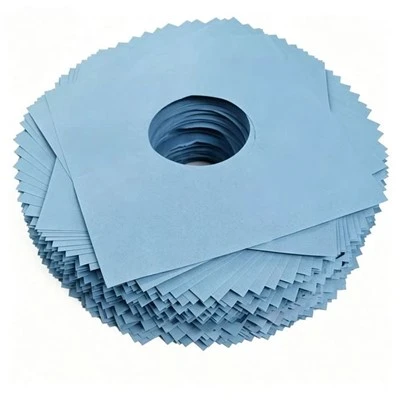
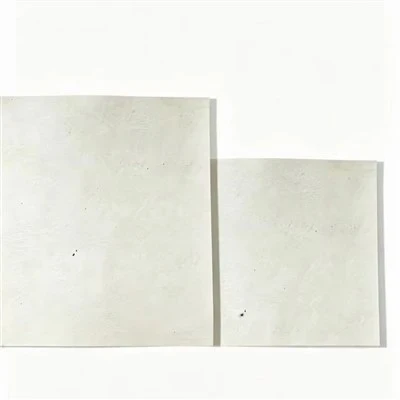
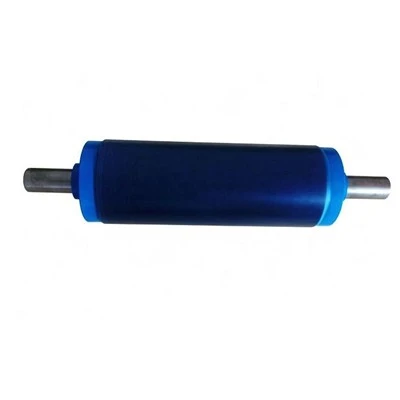
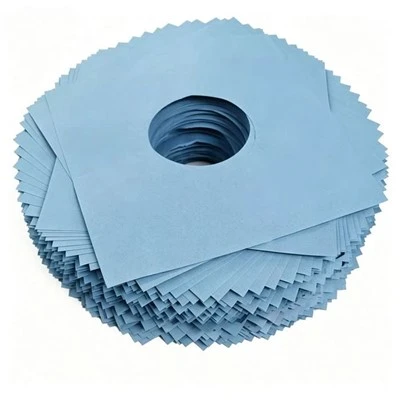
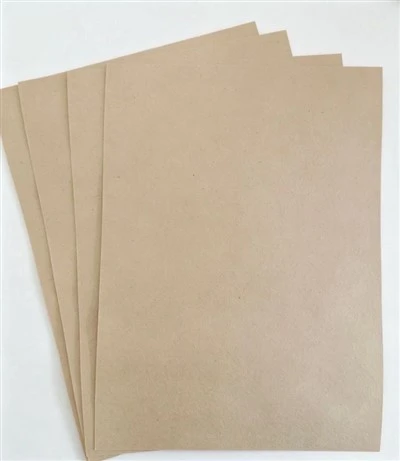
First things first, let's talk a bit about what wool paper is. Wool paper is a unique type of paper that has a lot of interesting properties. It's made from wool fibers, which gives it a distinct texture and feel. There are different types of wool paper available, each with its own characteristics. For example, you've got the Texturing Roll Wool Paper, which is great for adding texture to surfaces. Then there's the Paper Calender Roll, which plays an important role in the paper-making process. And the Wool Paper for Calender Roll is specifically designed for calender rolls, offering smoothness and durability. We also have the Kraft Paper for Natural Wood Pulp Roll and the Cotton Roll Substrate, each with its own set of uses and benefits.
Now, back to the question at hand: Can you paint on wool paper? The short answer is yes, you can. But there are a few things you need to keep in mind.
The Texture Factor
One of the main things that makes wool paper unique is its texture. The wool fibers give the paper a rough, bumpy surface. This can be both a blessing and a curse when it comes to painting. On one hand, the texture can add an interesting dimension to your painting. It can create unique effects and make your artwork stand out. You might see the paint settling into the grooves of the paper, creating a sort of shadowy effect that adds depth and character.
On the other hand, the rough texture can also make it a bit challenging to paint on. The paint might not spread as smoothly as it would on a smooth, regular paper. You might need to use a bit more paint to cover the surface evenly, and you might have to work a bit harder to get a consistent finish.
The Absorbency
Wool paper is also quite absorbent. The wool fibers soak up the paint quickly, which means that once you apply the paint, it's going to dry relatively fast. This can be good if you're working in a hurry or if you want to layer your paints quickly. But it can also be a problem if you're not careful. If you apply too much paint at once, it might soak into the paper too deeply and cause the colors to bleed or blend in unexpected ways.
To deal with the absorbency, you might want to start with a light coat of paint and let it dry completely before adding more layers. This will give you more control over the colors and the overall look of your painting.
The Type of Paint
Not all paints are created equal when it comes to painting on wool paper. Some paints work better than others.
- Acrylic Paints: These are a popular choice for painting on wool paper. Acrylics dry quickly, which is great considering the absorbency of the paper. They also come in a wide range of colors and can be mixed easily to create custom shades. You can use acrylics to create bold, vibrant paintings on wool paper, and they adhere well to the surface.
- Watercolor Paints: Watercolors can also be used on wool paper, but you need to be a bit more cautious. Because the paper is absorbent, the water in the watercolors can soak in quickly and cause the colors to spread and bleed. To prevent this, you can use a fixative spray before you start painting, or you can use a less watered-down mix of watercolors.
- Oil Paints: Oil paints are a bit more tricky to use on wool paper. They take a long time to dry, and the paper might not be able to handle the weight of the wet paint for an extended period. However, if you're patient and you take the time to let the paint dry between layers, you can create some beautiful, richly textured oil paintings on wool paper.
Tips for Painting on Wool Paper
Here are some tips to help you get the best results when painting on wool paper:
- Prime the Paper: If you're worried about the absorbency of the paper, you can prime it with a thin layer of gesso. This will create a more even surface and help the paint adhere better.
- Use a Good Brush: A high-quality brush can make a big difference when painting on wool paper. Look for brushes with soft, flexible bristles that can handle the rough texture of the paper.
- Experiment with Techniques: Don't be afraid to try different painting techniques on wool paper. You can use dry brushing to create a textured effect, or you can use a sponge to blot on the paint for a more abstract look.
In conclusion, painting on wool paper is definitely possible, and it can lead to some really unique and interesting artwork. Whether you're a professional artist or just someone who likes to paint for fun, wool paper offers a whole new world of possibilities.
If you're interested in trying out wool paper for your painting projects, or if you have any questions about our products, don't hesitate to reach out. We're here to help you find the right wool paper for your needs and to provide you with any support you might need.
References
- General knowledge and experience in the wool paper industry.