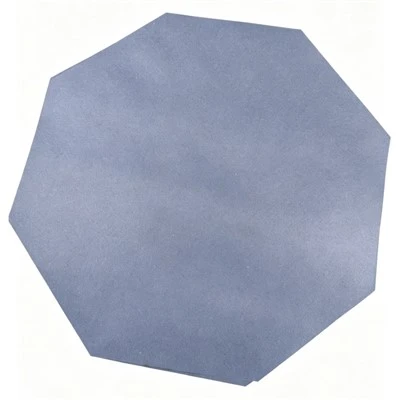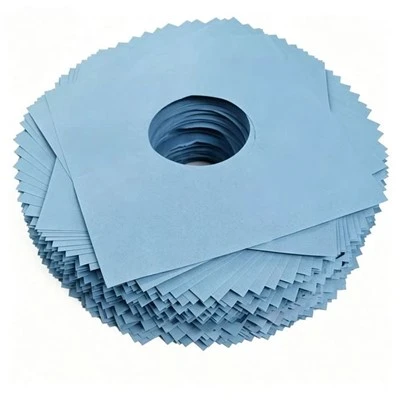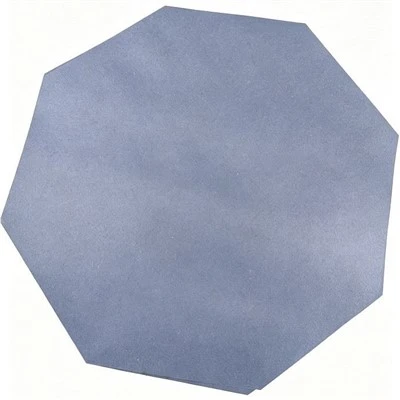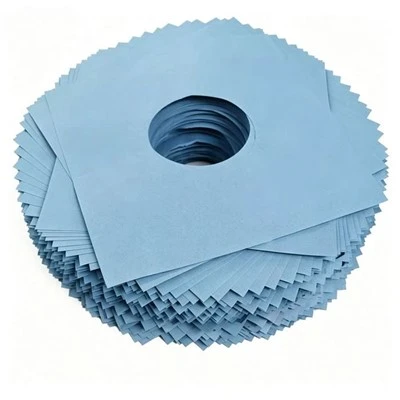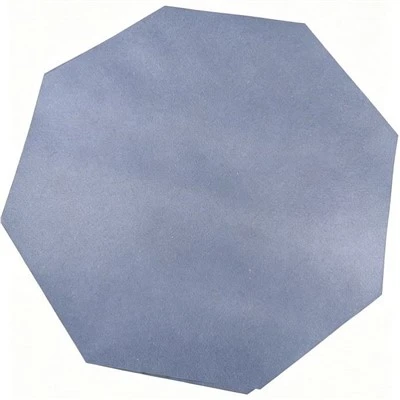

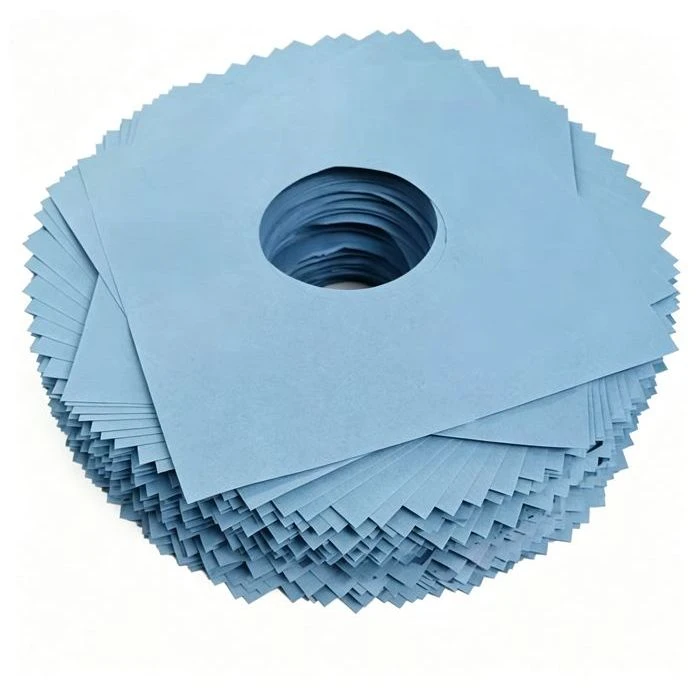
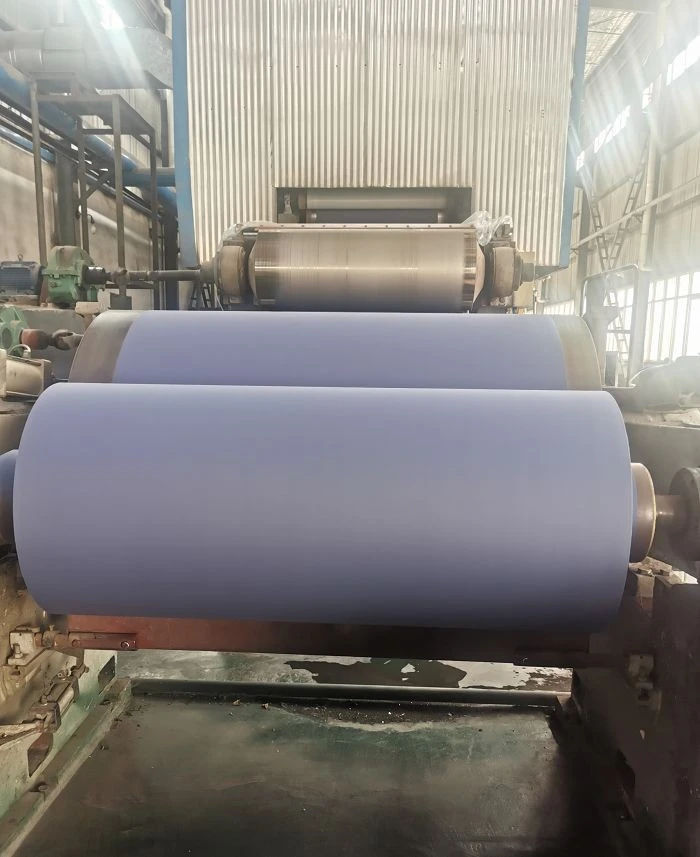
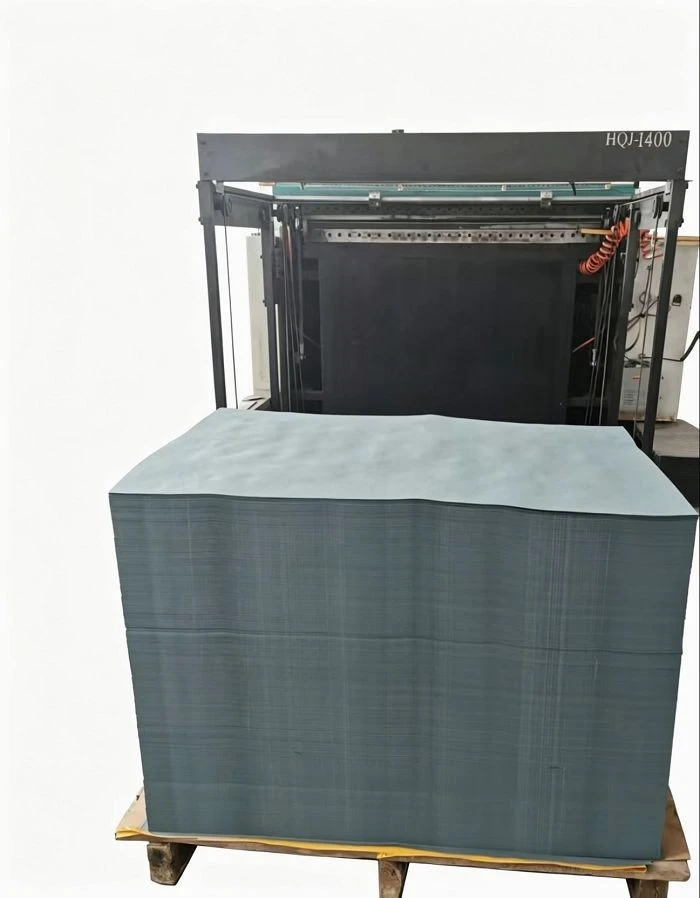
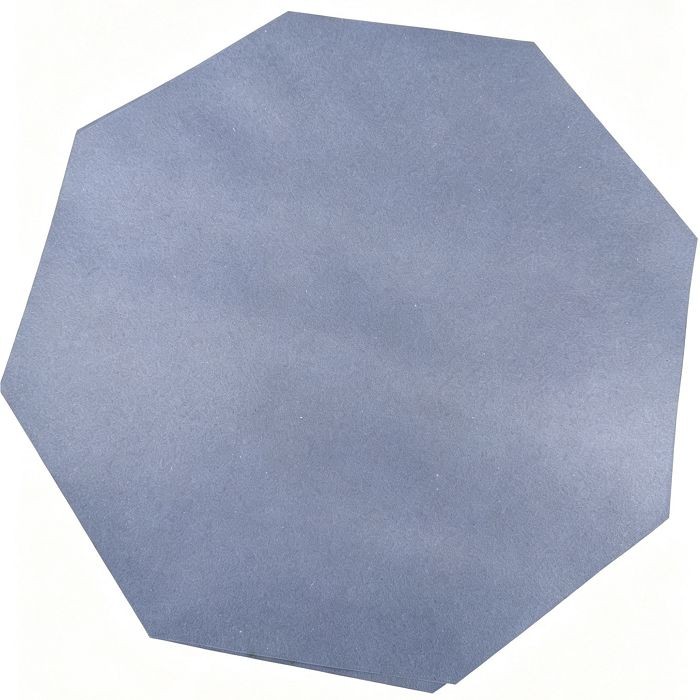
The base material of cotton rollers (also known as the compressed cotton yarn fibre layer) consists of cotton fibres and cotton yarn; its structure is formed by interweaving and laying down cotton fibres and cotton yarn, which are then compressed under high pressure; it appears as a white, dense sheet, with a thickness ranging from a few millimetres to over ten millimetres.

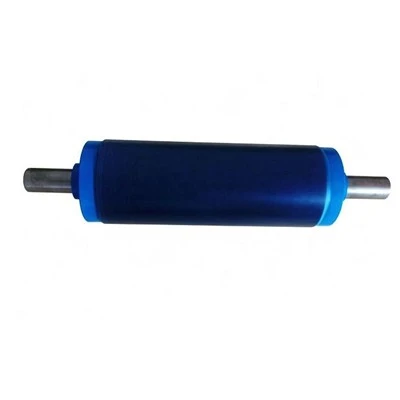
Cotton rollers manufactured primarily from this base material feature a smooth and supple surface after turning, possessing unique elasticity and resilience; they also exhibit excellent heat resistance; they are specialised equipment used in the high-temperature calendering and deep processing stages of fabric dyeing, finishing and embellishment. The core material of cotton rollers consists of high-purity, naturally grown long-staple cotton and 100% cotton yarn, free from any admixture of waste pulp or foreign fibres. It is manufactured through multiple processes, including multi-layer flat pressing, high-temperature curing and dense setting, and is specifically designed for cotton fibre rollers and and cotton compaction rollers.
It serves as a specialised consumable for the production of high-end soft calendering rollers (cotton rollers) characterised by high elasticity, high resilience and high heat resistance. Compared to conventional paper-based rollers, the cotton roller core offers greater toughness and higher abrasion resistance, significantly extending service life and making it suitable for operation on high-speed continuous production lines. Its moderately soft surface hardness ensures that fabrics are calendered smoothly with clear embossing patterns, whilst preventing damage to fabric fibres and protecting the paired metal rollers from wear. Widely compatible with equipment such as non-woven embossing rollers, textile calendering rollers and film laminating rollers, it offers excellent value for money and is the preferred material for fabric calendering.
Technical specifications: The cotton roller substrate contains 100% cotton; the surface hardness (Shore D) of cotton rollers manufactured primarily from this substrate can reach 80–82 degrees, with a temperature resistance of approximately 180°C.

Technical Parameter Table for Roll Body Substrate and Finished Roll
|
Base Material Name |
Raw Material Content |
Finished Roll Surface Hardness (Shore -D) |
Temperature Reference |
|
Wool paper for calender roll |
Wool 10%–18% |
87–88 |
Standard medium to high-temperature conditions |
|
Texturing roll wool paper |
Wool 18%–25% |
85–86 |
Standard medium to high-temperature conditions |
|
Embossing roll wool paper |
Wool 25%–40% |
83–84 |
Standard medium to high-temperature conditions |
|
Cotton pulp paper for supercalender roll |
Standard medium to high-temperature conditions |
88–90 |
80–120°C long-term stable operation |
|
Kraft paper for natural wood pulp roll |
Wood pulp 70%–80% |
89–91 |
Long-term safe temperature <140°C |
|
Cotton roll substrate |
Cotton 100% |
80–82 |
Approx. 180°C |


Video Presentation
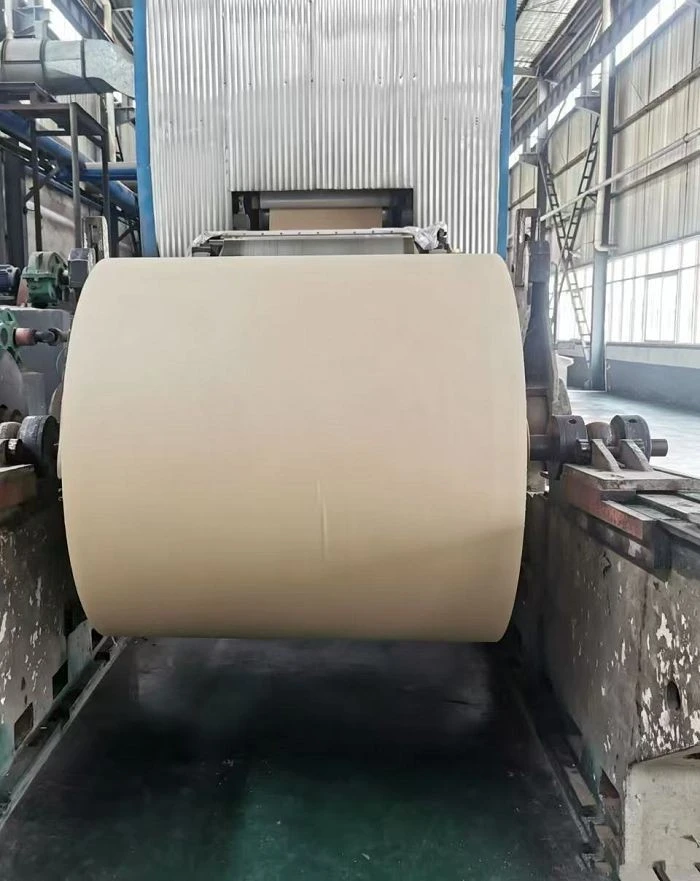
During production operations in the paper-making workshop
Hot Tags: cotton roll substrate, China cotton roll substrate manufacturers, suppliers, factory