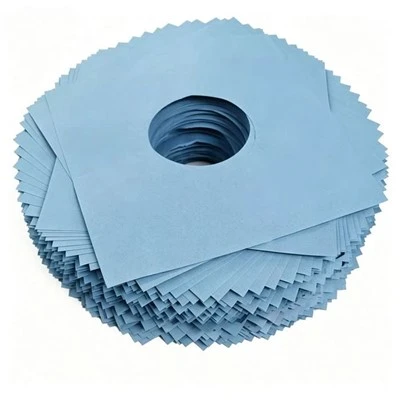


If you’ve ever handled a fine art print, a vintage stationery set, or a textured packaging insert, you’ve likely encountered wool paper—though you might not have known it by name. As a wool paper supplier, I get asked this question constantly: What is the quality of writing on wool paper? It’s not a trivial question, either. The quality of writing on any paper depends on far more than just how it feels to the touch; it’s rooted in fiber composition, surface finish, ink adhesion, and even how the paper holds up over time. For businesses and creatives choosing paper for everything from handwritten notes to custom stationery, wool paper stands out, but understanding its writing quality requires peeling back the layers of what makes this material unique.
Let’s start with the basics: wool paper isn’t made from actual sheep’s wool. That’s a common misconception, and one I always clarify for new clients. It’s a specialty paper made from long, soft natural fibers—often a blend of cotton and wood pulp, with a heavy emphasis on virgin cotton. The “wool” name comes from its fuzzy, napped surface, which mimics the soft texture of wool fabric. This unique surface is the first thing that impacts writing quality. Unlike smooth office paper, which has a flat, even surface, wool paper has tiny, raised fibers that create a bit of “tooth.” For pens, that tooth can be a blessing or a challenge, depending on the tool you use. But before we dive into specific writing instruments, let’s talk about the core quality metrics that define how paper performs for writing: ink holdout, feathering, bleed-through, and durability.
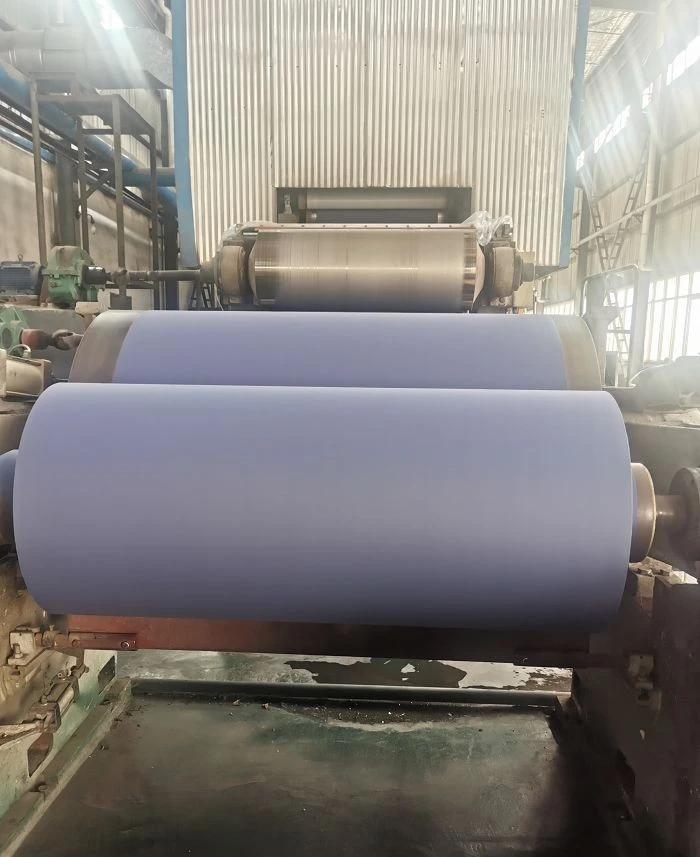
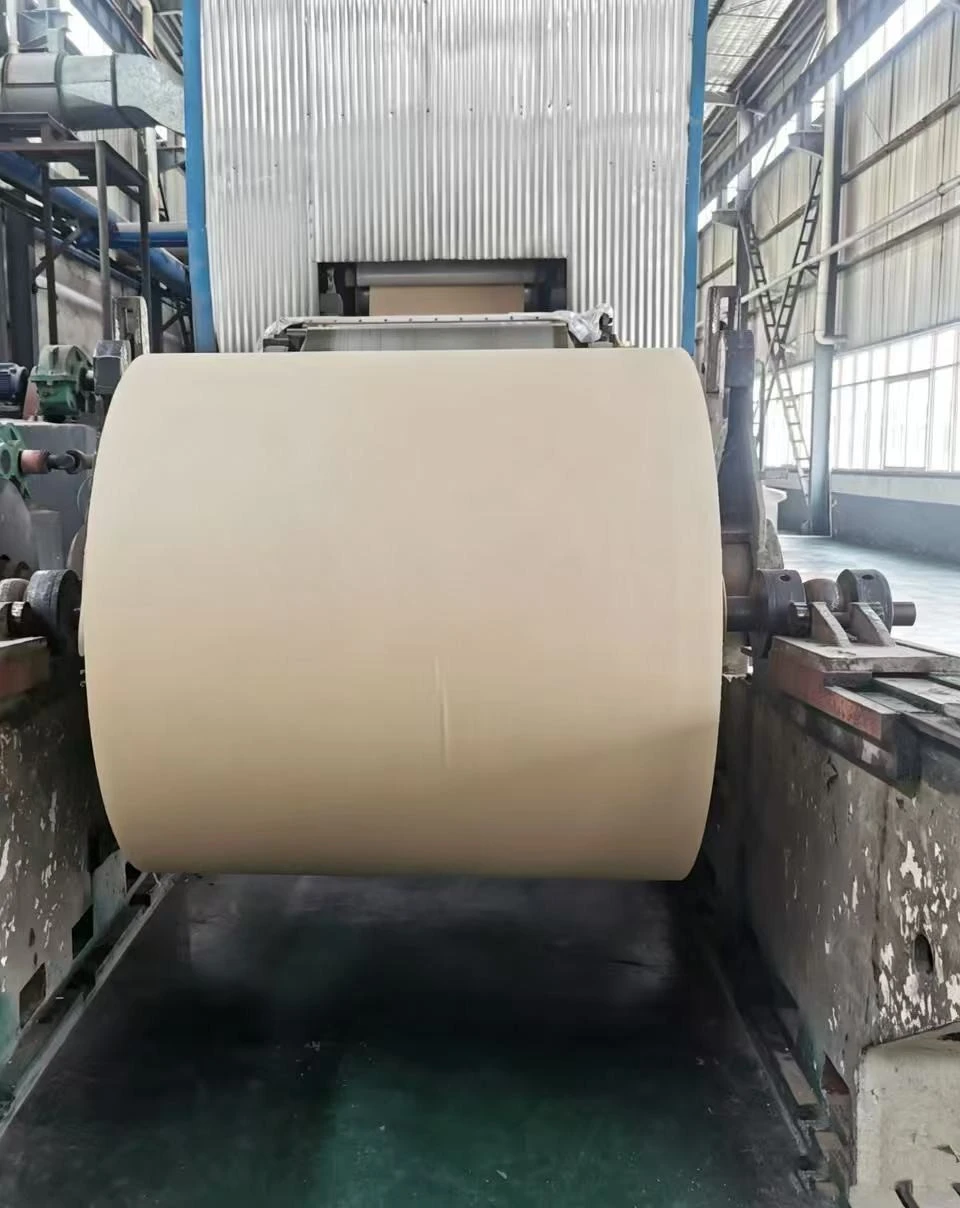
Ink holdout is the paper’s ability to keep liquid ink from spreading beyond the lines of your pen. On standard copy paper, which is often made with short wood pulp fibers, ink soaks in too quickly, leading to feathering (where ink bleeds out in faint, fuzzy edges around letters) or bleed-through (where ink shows on the reverse side). Wool paper, with its longer, denser fiber structure, resists these issues far better—when manufactured correctly. Our premium wool paper rolls, for example, are processed to balance fiber density and surface texture, so they handle both gel pens, fountain pens, and even ballpoint pens with minimal feathering. I’ve seen firsthand how clients use our Wool Paper for Calender Roll for custom desk calendars, where handwritten daily reminders need to stay crisp and legible for months. The dense fiber base of that specific product prevents fountain pen inks—some of which are more water-based than ballpoint inks—from smudging or bleeding through, even if you write quickly.
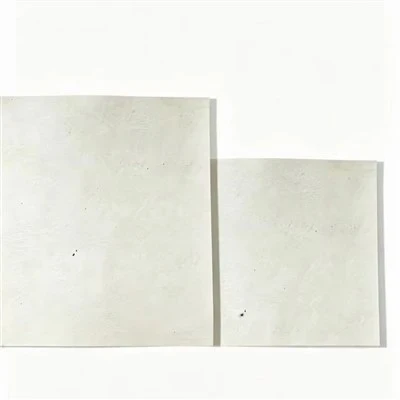
Surface finish is another critical factor. Not all wool paper is created equal, and that’s where specialty rolls like our Embossing Roll Wool Paper come in. When we emboss wool paper, we apply pressure to create subtle, raised patterns that add texture, but we carefully control the pressure to avoid flattening the napped surface. The result is a paper that still has enough tooth to grip pen ink, but with a tactile design that makes writing feel more intentional. I recently worked with a small stationery brand that used our embossed wool paper for wedding invitations; their customers told us that writing thank-you notes on the paper didn’t feel like writing on a “fancy” paper that resisted ink, but rather a paper that made each letter feel deliberate. Conversely, if wool paper is over-calendered (a process that presses paper smooth), it loses that tooth. That’s why when clients ask about the writing quality of our Calender Roll Paper, we’re careful to distinguish between our standard wool calender rolls (which retain a light nap) and over-calendered variants (which are better suited for printing than hand writing).
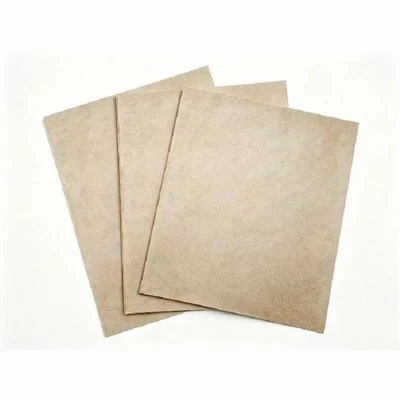
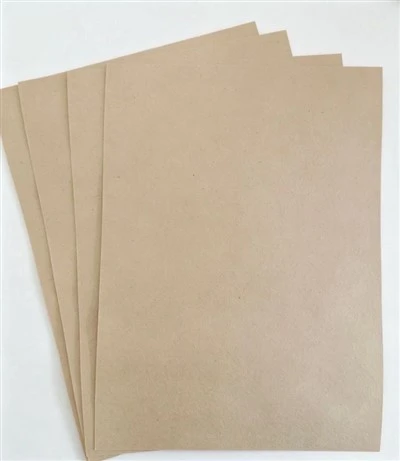
Let’s get specific about writing tools, because that’s where many people get tripped up. Ballpoint pens, for example, work almost seamlessly on wool paper. The oil-based ink in ballpoints dries quickly on the paper’s dense surface, so smudging is rare. I’ve tested this with our Kraft Paper for Natural Wood Pulp Roll, which is a slightly sturdier wool paper variant for packaging inserts. Even with a cheap ballpoint pen, writing on this paper produces crisp lines, and the ink doesn’t fade even after months of being stored in a drawer. The only catch with ballpoints is that if the paper is too rough (a common issue with low-quality wool paper), the pen’s tiny ball can catch on the fibers, leading to skipped lines. That’s why we invest in refining our fiber processing—our wool paper is milled to create a consistent, soft nap that avoids that catching, so writing feels smooth, not scratchy.
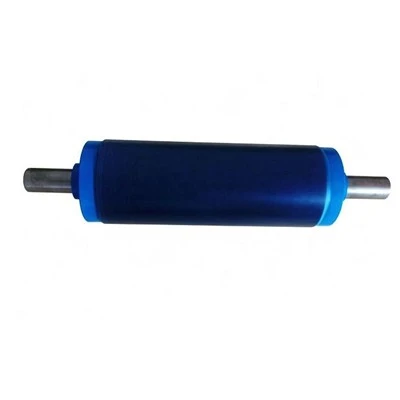
Fountain pens are the real test of wool paper writing quality, and this is where our products really shine. Fountain pen ink is water-based, so it needs paper that can absorb just the right amount of moisture without bleeding. The long cotton fibers in our wool paper act like tiny sponges, absorbing ink slowly and evenly, rather than letting it pool on the surface. I’ve written extensively on our own wool paper rolls (yes, even suppliers test their own products!) and found that fountain pen lines stay sharp, even with fine nibs that put down very little ink. The only time I’ve seen issues is when using a very wet fountain pen ink (like some calligraphy inks) on a low-quality wool paper. But with our carefully formulated wool paper—especially our Texturing Roll Wool Paper, which has a medium nap and balanced ink absorption—even wet inks stay contained to the line you write. Calligraphers especially love this paper because the texture adds a subtle dimension to their lettering, making each stroke feel more artful without sacrificing legibility.
Gel pens and markers fall somewhere in between. Gel pens have thicker, pigmented inks that dry quickly, so they work well on wool paper, though the nap can sometimes cause the pigment to settle unevenly, creating a slightly matte, textured line. Markers, especially permanent markers, can be hit or miss. Alcohol-based markers, which are common for crafts, can soak too deeply into wool paper, leading to bleed-through if you write on both sides. For that reason, we always recommend using wool paper for single-sided projects if you plan to use markers, or opting for a thicker roll that can handle double-sided writing.
Durability is another part of writing quality that’s often overlooked. You might write a beautiful letter on paper, only for the ink to fade or the paper to tear when you fold it. Wool paper, with its cotton-rich fiber composition, is far more durable than standard wood-pulp paper. It resists tearing, even when folded sharply, and the ink bonds better to the cotton fibers, so it fades much slower over time. I still have a handwritten letter from a friend that I wrote on our wool paper rolls five years ago— the ink is just as crisp as the day I wrote it, and the paper hasn’t yellowed, which is common with cheaper paper. That’s a huge benefit for people writing items that need to last: wedding vows, personal journals, or heirloom letters.
Of course, no paper is perfect for every writing scenario. If you need a paper that’s completely smooth for detailed technical writing (like engineering notes), wool paper’s slight texture might be a distraction. For that, we usually recommend a different specialty paper, but for creative writing, personal notes, calligraphy, or stationery, wool paper’s writing quality is hard to beat. The key is choosing the right type of wool paper for your use: our Wool Paper for Calender Roll is ideal for short, daily writing, like calendar reminders, because it’s lightweight and affordable. Our Embossing Roll Wool Paper is perfect for formal correspondence, where texture and writing performance matter equally. For packaging inserts that need to have product details handwritten, our Kraft Paper for Natural Wood Pulp Roll offers a sturdy, reliable surface that doesn’t smudge.
As a supplier, I’ve spent years testing our wool paper with different writing instruments and use cases, and the biggest takeaway is that the quality of writing on wool paper depends on three things: the paper’s fiber composition, its surface processing, and the tool you use. When wool paper is made with long cotton fibers, processed to have a consistent, soft nap, and paired with the right pen or marker, it produces writing that’s crisp, durable, and even aesthetically enhanced by the paper’s texture. It’s not a paper that works for every single writing task, but for anyone who values the feel and performance of paper over plain, smooth office stock, wool paper is a top choice.
If you’re looking to try wool paper for your own writing or business needs, we offer samples of all our wool paper rolls, including the ones linked above. We work with creatives, small businesses, and large corporations to find the right wool paper variant for their projects.
References:
- Technical Manual of Specialty Paper Manufacturing. International Paper Association, 2022.
- Fiber Composition and Paper Performance: A Study of Cotton-Based Papers. Journal of Pulp and Paper Science, vol. 48, no. 3, 2021, pp. 112-120.
- Writing Instrument Compatibility with Specialty Papers. Stationery Industry Research Report, 2023.