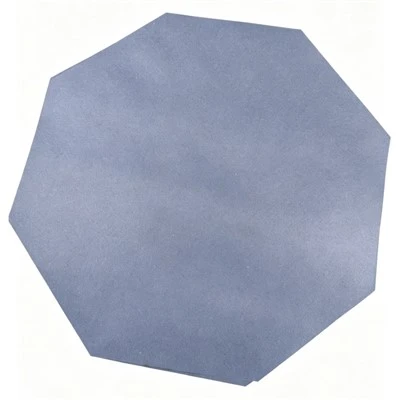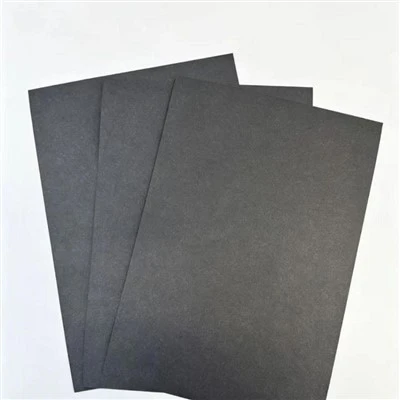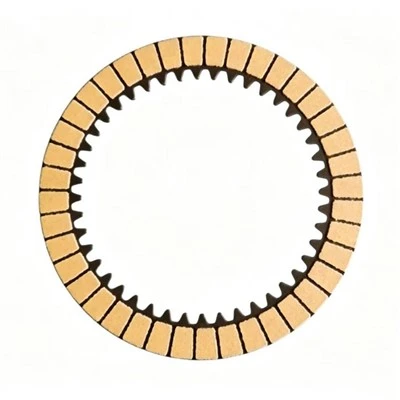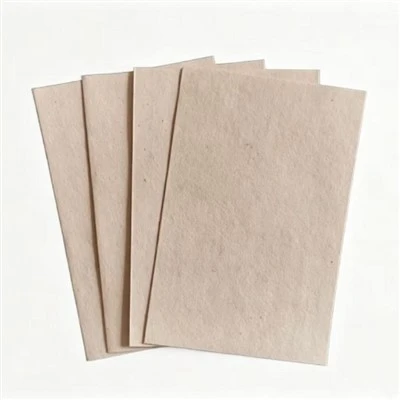

Filter Paper Families Categorized by Material
The material determines a filter paper's fundamental properties-much like how different fabrics suit different seasons:
Plant-based fibers: Made from wood or cotton pulp; highly hydrophilic; suitable for general liquid filtration; cost-effective.
Synthetic fibers: Materials such as polypropylene and glass fiber; resistant to acids and alkalis; capable of withstanding harsh chemical environments.
Mixed materials: A composite of plant and synthetic fibers; combines mechanical strength with filtration precision.
Selecting Filter Paper Based on Structure
The microstructure of filter paper functions much like a sieve of varying densities:
Depth filtration paper: Features a three-dimensional mesh structure; traps particles throughout its thickness; offers high dust-holding capacity.
Surface filtration paper: Features a precise microporous structure; captures particles on the surface (like a sieve); offers high filtration precision.
Graded-density paper: Pore size decreases from top to bottom; enables multi-stage filtration.
Precise Matching to Application Scenarios
Choosing filter paper is like selecting a tool; the choice depends on the specific application:
Air filtration: Typically uses lofty glass fiber paper; offers low resistance and high efficiency.
Oil filtration: Requires oleophobic synthetic fibers to prevent fiber swelling.
Food industry: Must use virgin fiber materials that meet safety standards.
Laboratory precision filtration: Uses membrane-composite filter paper with uniform pore sizes.