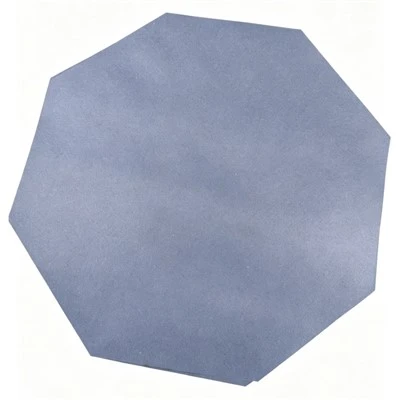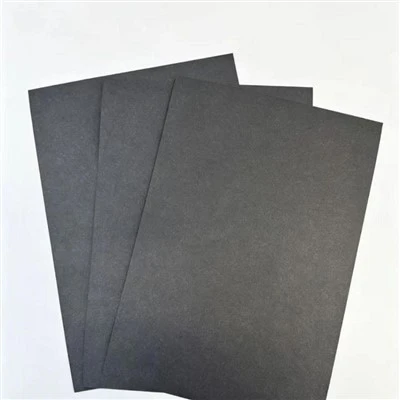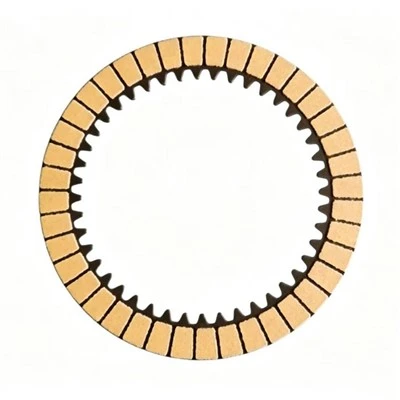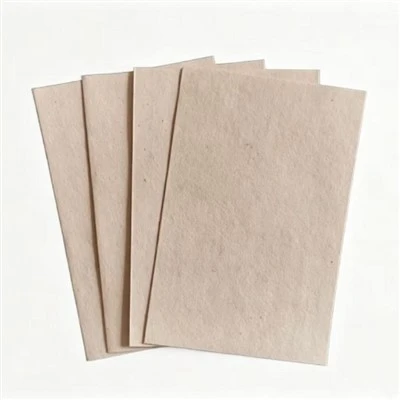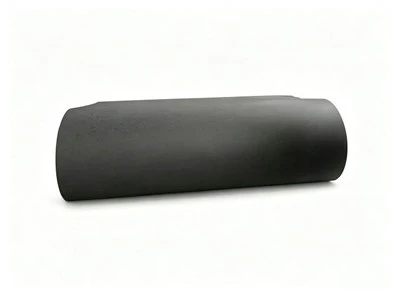

A series of asbestos-free sealing products manufactured-using calendering or wet-laid processes-from organic fibers (such as aramid), plant fibers, nitrile rubber, and minerals.
Asbestos-free Gaskets:
Sealing products of various shapes produced from asbestos-free sealing materials (composed of aramid fibers, high-temperature resistant synthetic mineral fibers, oil-resistant rubber, etc.) via roller pressing, stamping, or cutting.
Asbestos is internationally recognized as a carcinogen. In the 1970s, many countries initiated "asbestos-free" programs. After more than two decades of effort, nations such as the United States, Japan, and Australia successfully developed various series of asbestos-free gasket materials. In 1990, the U.S. Environmental Protection Agency (EPA) issued regulations banning the use of asbestos materials and products; today, advanced nations have promoted asbestos-free materials across various application sectors and have comprehensively banned asbestos materials.
Traditionally, asbestos materials have long been used in China. Following my country's accession to the WTO, domestic industries have faced challenges from abroad. The automotive industry has been at the forefront of this industrial reform; automotive giants like Volkswagen (Germany) and General Motors (USA) introduced the concept of asbestos-free automotive sealing to China. With the rapid development of the domestic automotive industry and increased investment by foreign automakers in Chinese manufacturing plants, the transition to asbestos-free automotive components has begun. In the petrochemical and shipbuilding industries, the chemical corrosiveness of asbestos materials toward steel structures often poses a risk of major accidents. In the refrigeration industry-particularly regarding air conditioners and refrigerators, which are closely linked to daily life-asbestos poses significant hazards to both human health and the environment.
In Europe and the United States, the terms "asbestos-free gasket" or "non-asbestos gasket" generally refer to gaskets containing absolutely no asbestos (100% asbestos-free). While both terms can be translated into Chinese as "wú-shímián diànpiàn" (asbestos-free gasket) or "fēi-shímián diànpiàn" (non-asbestos gasket), a distinction is sometimes made in the Chinese market: some companies label gaskets containing a certain amount of asbestos (5–20%) as "non-asbestos gaskets," while reserving the term "asbestos-free gaskets" for those that are 100% free of asbestos. Thanks to their high strength, excellent resilience, and superior resistance to permeation, non-asbestos gasket series serve as eco-friendly sealing solutions that replace asbestos gaskets in automotive and industrial machinery applications.