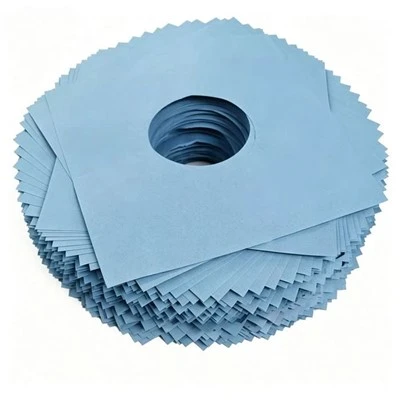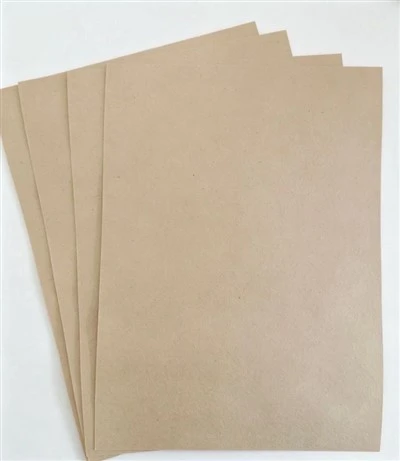


As a filter paper supplier, ensuring the integrity of our products is of utmost importance. Filter paper is used in a wide range of applications, from automotive filters to air purification systems. Therefore, the quality and integrity of the filter paper can significantly impact the performance and efficiency of these systems. In this blog post, we will discuss various methods for testing the integrity of filter paper, providing you with the knowledge to make informed decisions about the products you purchase.
Importance of Filter Paper Integrity
Before delving into the testing methods, it's essential to understand why filter paper integrity is so crucial. Filter paper acts as a barrier, trapping contaminants and particles while allowing the passage of the desired fluid or gas. If the filter paper has any holes, tears, or weak spots, contaminants can bypass the filter, leading to reduced filtration efficiency and potential damage to the system.
In automotive applications, for example, using Automotive Filter Paper with compromised integrity can result in engine damage due to the ingress of dirt and debris. In air purification systems, a faulty filter paper can allow harmful pollutants to circulate in the air, posing a risk to human health. Therefore, ensuring the integrity of filter paper is vital for maintaining the performance and safety of these systems.
Visual Inspection
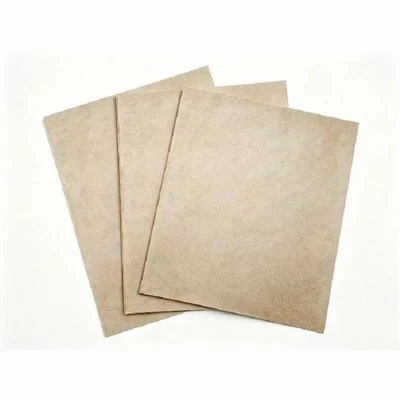
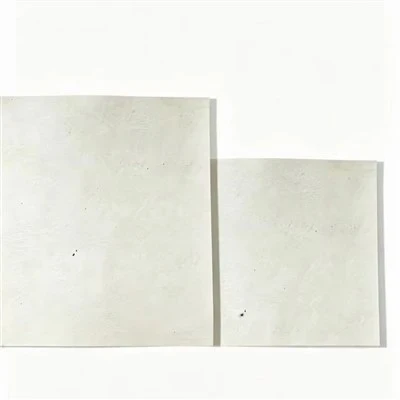
One of the simplest and most straightforward methods for testing filter paper integrity is visual inspection. This method involves examining the filter paper for any visible signs of damage, such as holes, tears, or discoloration. To conduct a visual inspection, place the filter paper on a clean, well-lit surface and examine it carefully using a magnifying glass if necessary.
Look for any irregularities in the paper's surface, including small holes or tears that may not be visible to the naked eye. Check the edges of the filter paper for signs of fraying or damage, as these areas are more prone to failure. If any damage is detected, the filter paper should be discarded, as it is likely to compromise the filtration efficiency.
Bubble Point Test
The bubble point test is a widely used method for measuring the maximum pore size of filter paper and assessing its integrity. This test is based on the principle that air can pass through the pores of the filter paper when the pressure applied exceeds the surface tension of the liquid filling the pores.
To conduct a bubble point test, the filter paper is first wetted with a suitable liquid, such as isopropyl alcohol. The wetted filter paper is then placed in a test apparatus, and air pressure is gradually increased until bubbles start to form on the downstream side of the filter paper. The pressure at which the first bubbles appear is known as the bubble point pressure.
A lower bubble point pressure indicates larger pores in the filter paper, which may suggest a higher risk of particle penetration. Therefore, if the bubble point pressure of the filter paper is below the specified range, it may indicate a problem with the integrity of the filter paper.
Pressure Drop Test
The pressure drop test measures the resistance of the filter paper to the flow of fluid or gas. This test is based on the principle that as fluid or gas passes through the filter paper, it encounters resistance, resulting in a pressure drop across the filter.
To conduct a pressure drop test, the filter paper is installed in a test fixture, and a known flow rate of fluid or gas is passed through it. The pressure on the upstream and downstream sides of the filter paper is then measured using pressure sensors. The difference in pressure between the upstream and downstream sides is known as the pressure drop.
A sudden increase in pressure drop may indicate a blockage or damage to the filter paper, while a lower-than-expected pressure drop may suggest the presence of holes or tears. By comparing the measured pressure drop with the expected values, it is possible to assess the integrity of the filter paper.
Particle Challenge Test
The particle challenge test is a more comprehensive method for evaluating the filtration efficiency and integrity of filter paper. This test involves exposing the filter paper to a known concentration of particles and measuring the number of particles that pass through the filter.
To conduct a particle challenge test, a test aerosol containing particles of a specific size and concentration is generated and passed through the filter paper. The number of particles upstream and downstream of the filter paper is then measured using a particle counter. The filtration efficiency of the filter paper is calculated by comparing the number of particles upstream and downstream of the filter.
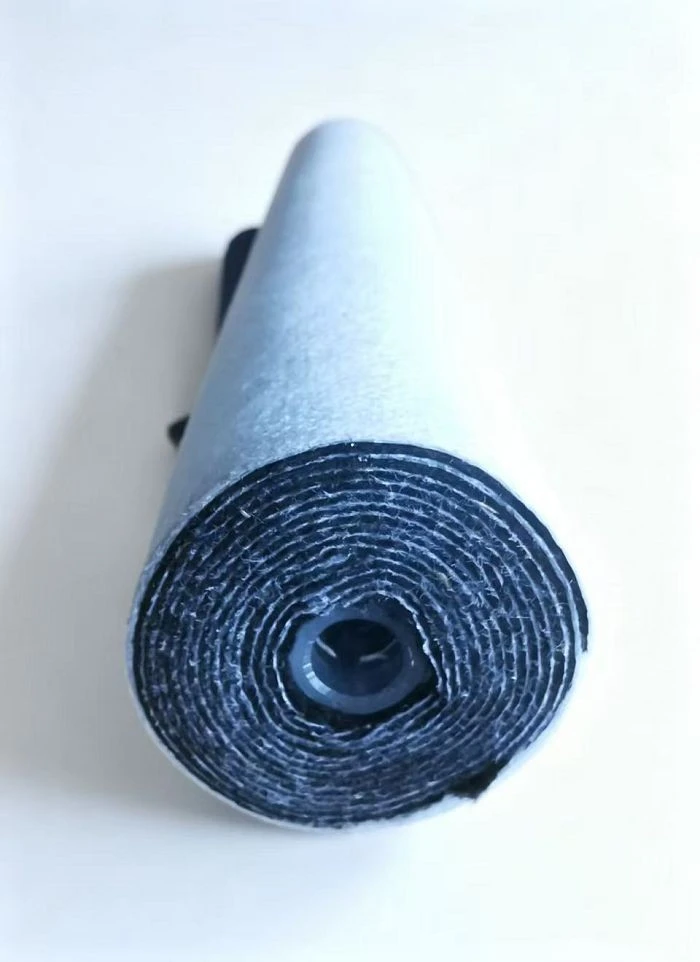
If the filtration efficiency of the filter paper is below the specified range, it may indicate a problem with the integrity of the filter paper, such as the presence of holes or tears. Additionally, the particle challenge test can provide valuable information about the size of the particles that can pass through the filter, which is important for determining the suitability of the filter paper for specific applications.
Integrity Testing of Activated Carbon Air Purification Filter Paper
In addition to the above methods, it's also important to consider the specific requirements of Activated Carbon Air Purification Filter Paper. Activated carbon filter paper is designed to adsorb and remove odor, volatile organic compounds (VOCs), and other pollutants from the air. Therefore, in addition to testing the physical integrity of the filter paper, it's also necessary to test its adsorption capacity.
One method for testing the adsorption capacity of activated carbon filter paper is the breakthrough test. In this test, a known concentration of the target pollutant is passed through the filter paper, and the concentration of the pollutant downstream of the filter is monitored over time. The time at which the concentration of the pollutant downstream of the filter reaches a specified level is known as the breakthrough time.
A longer breakthrough time indicates a higher adsorption capacity of the activated carbon filter paper. Therefore, by measuring the breakthrough time, it is possible to assess the performance and integrity of the activated carbon filter paper.
Conclusion
Testing the integrity of filter paper is crucial for ensuring its performance and reliability in various applications. By using a combination of visual inspection, bubble point test, pressure drop test, particle challenge test, and specific tests for activated carbon filter paper, it is possible to accurately assess the integrity of the filter paper and identify any potential problems.
As a filter paper supplier, we are committed to providing high-quality products that meet the strictest standards of integrity and performance. If you have any questions about our filter paper products or the testing methods we use, please feel free to contact us for more information. We look forward to discussing your specific requirements and helping you find the best filter paper solutions for your needs.
References
- ASTM International. (Year). Standard Test Methods for Determining the Bubble Point and Mean Flow Pore Size of Membrane Filters. ASTM F316.
- ISO 2942. (Year). Hydraulic fluid power - Filters - Verification of fabrication integrity and initial bubble point.
- ASHRAE. (Year). Standard 52.2 - Method of Testing General Ventilation Air - Cleaning Devices for Removal Efficiency by Particle Size.