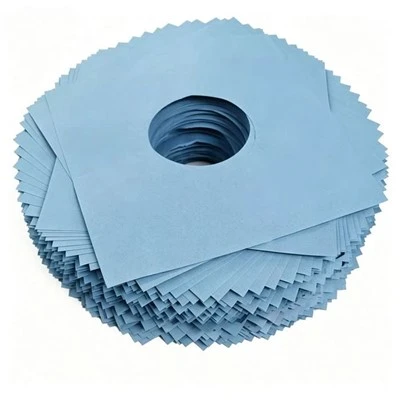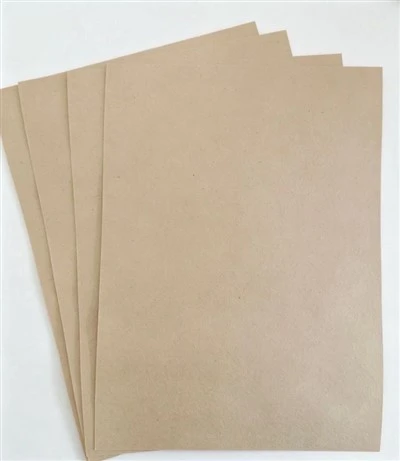


Yo, folks! As a supplier of Fresh Meat Preservation Paper, I've been getting a bunch of questions lately about whether this nifty paper can stop the transfer of flavors between different meats. So, I thought I'd dive deep into this topic and share what I know.
Let's first understand why flavor transfer between meats is a big deal. When you store different types of meats together, say beef and chicken, there's a risk that the flavors can mingle. This can be a real bummer, especially if you're a foodie who wants to savor the distinct taste of each meat. For example, if you're planning to make a classic beef steak and a tender chicken breast later, you don't want the beefy flavor to seep into the chicken and vice versa.
Now, let's talk about how flavors transfer in the first place. There are a few ways this can happen. One of the main culprits is moisture. Meats release moisture as they sit in the fridge, and this moisture can carry flavor compounds. If the meats are in close contact or stored without proper separation, these flavor - carrying moisture droplets can move from one meat to another. Another way is through the air. The volatile flavor compounds in meats can vaporize and travel through the air inside your fridge, landing on other meats and altering their taste.
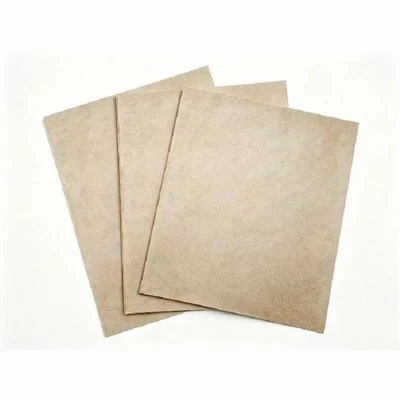
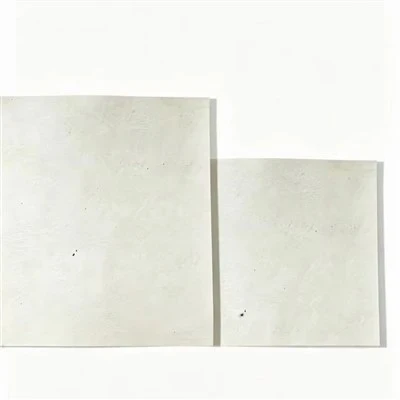
So, where does our Fresh Meat Preservation Paper come in? Well, this paper is designed with some pretty cool features that aim to tackle these flavor - transfer issues.
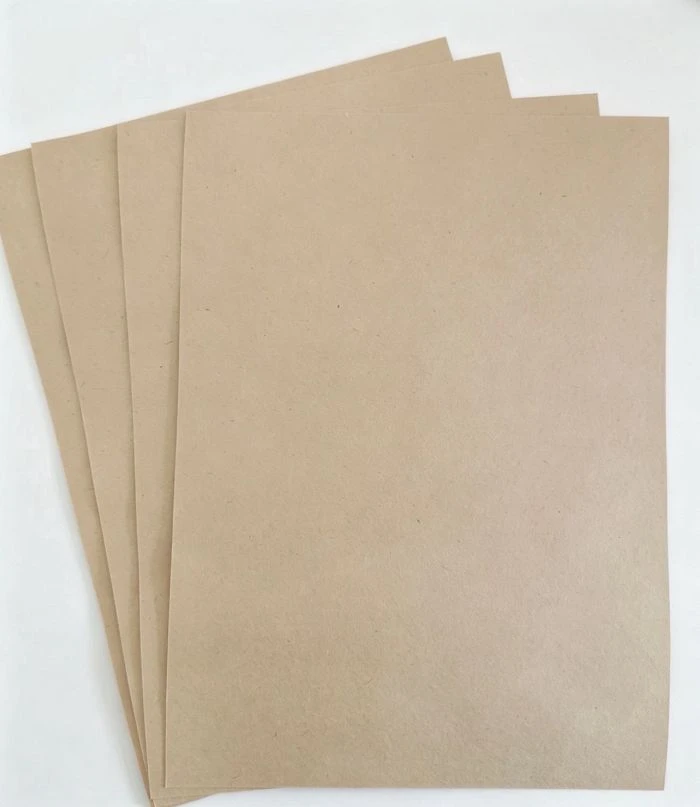
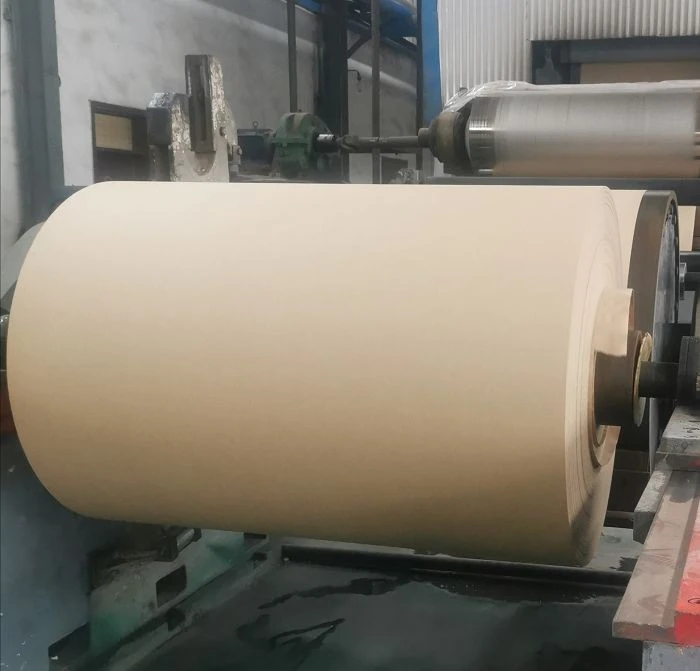
First off, it has a high - quality barrier property. The paper is made from materials that can effectively block the transfer of moisture. When you wrap your meats in our preservation paper, it creates a shield around each piece of meat. This means that the moisture released by the meat stays within the paper, preventing it from coming into contact with other meats and carrying flavors along.
Secondly, it helps with odor control. The paper has been engineered to absorb and trap the volatile flavor compounds in the air around the meat. This reduces the chances of these compounds floating around in your fridge and getting onto other meats. It's like a little flavor - guard for your precious cuts of meat.
But don't just take my word for it. There have been some studies on food preservation and the role of packaging materials in preventing flavor transfer. While there might not be a specific study on our Fresh Meat Preservation Paper (yet!), we can draw on general knowledge from the food science field.
Research has shown that proper packaging can significantly reduce the interaction between different food items. For example, a study in the Journal of Food Science found that using a good - quality barrier film could reduce the cross - contamination of flavors between different types of cheeses by up to 70%. And since the principles of flavor transfer are similar for meats and cheeses, we can infer that our preservation paper can have a similar effect.
I've also had some feedback from our customers. One of them, a home cook named Sarah, told me that she used to have issues with her pork chops picking up the fishy smell when she stored them together in the fridge. But after using our Fresh Meat Preservation Paper, she noticed that each meat retained its own unique flavor. "It's like having a personal flavor - protector for my meats," she said.
Another customer, a local butcher named Tom, has been using our paper in his shop. He has different types of meats on display and in storage. He told me that since he started using our preservation paper, his customers have been happier with the taste of the meats. "The paper keeps the flavors pure, and that's what our customers want," he explained.
Of course, there are some factors that can affect how well the paper works. The thickness of the paper matters. A thicker paper generally provides a better barrier. Also, how you wrap the meat is important. Make sure to wrap it tightly so that there are no gaps where moisture or air can get in.
If you're still on the fence about whether to give our Fresh Meat Preservation Paper a try, let me give you a little comparison. Regular plastic wrap might seem like a good option, but it often doesn't have the same level of moisture and odor control as our paper. Plastic wrap can also sometimes stick to the meat, which can be a hassle when you're trying to unwrap it.
In conclusion, based on the science behind food preservation, customer feedback, and our own understanding of the product, we believe that our Fresh Meat Preservation Paper can play a significant role in preventing the transfer of flavors between different meats.
If you're a restaurant owner, a butcher, or just someone who loves cooking at home and wants to keep their meats tasting great, I encourage you to get in touch with us. We're always happy to talk about our product, answer any questions you might have, and discuss the possibilities of a partnership for your business. Whether you need a small quantity for your home kitchen or a large - scale supply for your commercial establishment, we've got you covered.
References
- Journal of Food Science, various studies on food packaging and flavor transfer