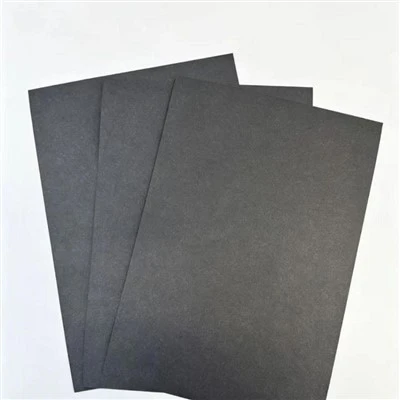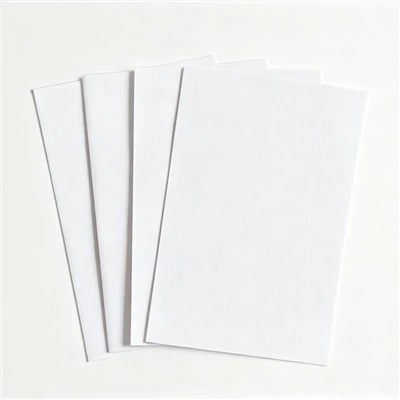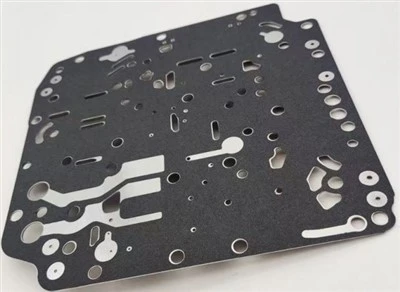

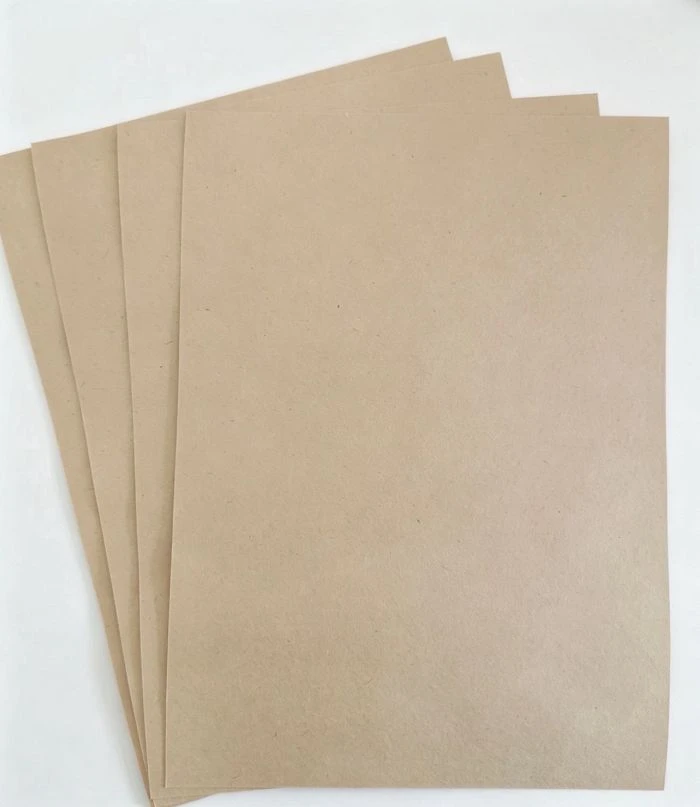
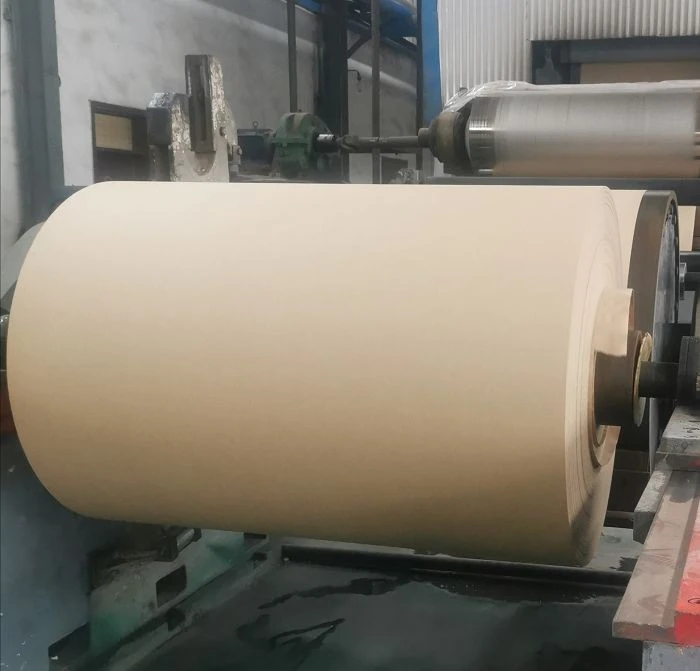
Fresh meat preservation paper is divided into two main categories: breathable butcher's paper (uncoated or lightly sized, used for barbecued meat and wrapping fresh produce) and composite leak-proof preservation paper (PE/PLA-coated, used for tray absorbent pads, chilled products in supermarkets and cold-chain transport). As there are significant differences in the raw materials and manufacturing processes between the two, they are explained in full below.
Core Production Raw Material

1. Base Material: Wood pulp (base layer) is predominantly produced by blending long-fibre sulphate softwood pulp with hardwood pulp. Long fibres enhance the paper's wet strength and tear resistance, whilst short fibres optimise the pore structure, improving oil and water absorption; high-end products may incorporate bamboo pulp or sugarcane bagasse pulp to effectively control production costs. Based on product category, there are three types: natural-coloured kraft paper (unbleached, low-cost, excellent breathability); white food-grade paper (food-grade, non-fluorescent bleaching, neat appearance, suitable for supermarket displays); and peach-coloured butcher's paper (made from virgin Southern Pine pulp, specifically designed for smoked and barbecued meat applications).
2. Functional Additives (by Product Category) Breathable butcher's paper: Incorporates starch-based internal sizing and calcium carbonate filler to enhance resistance to blood seepage; features a non-laminated design with excellent breathability. Leak-proof composite food wrap: Coated on one or both sides with food-grade PE film or biodegradable PLA coating to effectively prevent the leakage of blood and grease. Highly Absorbent Tray Liner: Features a multi-layer structure comprising a non-woven top layer, superabsorbent polymer (SAP), and a leak-proof PE base film, offering superior blood absorption and moisture retention. Premium Antimicrobial Variant: Enriched with nano-zinc oxide, chitosan and rosemary extract, providing active antibacterial protection and long-lasting freshness.

Complete Production Process
1. Pulp preparation: Long and short fibre wood pulps are blended in proportion and pulped (pulping degree 45–75°SR). Cationic starch and food-grade calcium carbonate are added, whilst harmful substances such as fluorescent agents and heavy metals are removed from the pulp to purify and remove impurities.
2. Paper Forming: Formed using a fourdrinier or cylinder mould paper machine, with precise control of the paper's porosity to balance breathability with the ability to retain blood and juices, followed by multi-stage pressing to dewater the wet sheet.
3. Drying and Sizing: Following drying in high-temperature drying cylinders, surface starch sizing is applied to significantly enhance the paper's wet tensile strength, preventing breakage when exposed to water or blood.
4. Post-processing: The paper undergoes calendering and levelling, followed by slitting into rolls or sheets. Food-grade labelling inks can be printed as required, after which the product is packaged.
A film coating and lamination process is added to the butcher's base paper: the base paper is unrolled and preheated to relieve stress; food-grade PE/PLA pellets are melted at high temperature via an extruder and evenly applied to the paper surface; following lamination and cooling between pressure rollers, a dense, water- and oil-resistant coating is formed; This is followed by a curing process to relieve coating stress and prevent cracking in low-temperature environments; finally, the material is slit, die-cut and rewound, with heat-sealable variants available upon request.
These feature a three-layer composite structure: the top layer consists of non-woven fabric or thin fresh produce paper, which allows blood to drain smoothly without adhering to the meat; the middle layer consists of high-molecular-weight SAP absorbent resin and loose paper fibres, capable of absorbing large quantities of meat juices without reverse seepage; the bottom layer is a PE barrier film, preventing blood and juices from leaking onto the tray. The finished product is heat-sealed on all four sides and cut to shape, ensuring no powder or fibre shedding.
Key Product Features (comparison across three categories)
|
Product Type |
Key Advantages and Features |
Product Weaknesses |
|
Breathable Butcher's Paper (Natural/White/Peach Pink) |
1. Breathable and moisture-regulating: Micro-pores allow excess moisture to escape, preventing meat from becoming sour due to being trapped in steam and preventing surface browning; 2. Moisture-resistant and high-strength: Retains ≥60% of its strength when wet; does not tear or break easily when soaked in blood; 3. Oil and Blood Absorption: Virgin fibres absorb meat juices and fats, preventing leakage and keeping work surfaces clean; 4. Heat Resistance: The peach-pink variant withstands smoking and barbecuing at 200°C, locking in juices to form a crispy crust; 5. Eco-friendly and Biodegradable: No plastic lamination; naturally biodegradable after disposal |
Prolonged freezing can cause meat to lose moisture and dry out; not suitable for long-distance sealed cold-chain transport |
|
PE-coated leak-proof freshness-preserving paper (for supermarket frozen food) |
1. Full barrier properties: The PE coating provides comprehensive waterproofing and oil resistance, preventing the leakage of blood and fat and ensuring the outer packaging remains uncontaminated; 2. Low-temperature and freeze resistance: Does not become brittle or crack during long-term storage in cold stores at -18°C, preventing freezer burn in meat; 3. Suitable for automation: Compatible with heat-sealing processes and can be used with vacuum packaging production lines; 4. Safety and Compliance: Complies with the GB4806.8 food standard, with no risk of plasticiser migration |
Poor breathability; long-term sealed packaging of fresh meat can lead to water accumulation, causing food spoilage |
|
Multi-layer Water-Absorbing Freshness-Preserving Pads (Tray Liners) |
1. Superior Water Retention: Absorbs 8–15 times its own weight in blood and juices; does not flow back or seep through when squeezed; 2. Non-stick: The smooth surface prevents fresh meat and sashimi from sticking, ensuring food is handled intact; 3. Clean and dust-free: Heat-sealed on all four sides to prevent powder or lint shedding, ensuring food remains clean; 4. Suitable for mass production: Lightweight and form-fitting, compatible with fully automated packaging production lines in supermarkets |
No significant drawbacks; designed specifically as an auxiliary liner, it cannot be used to wrap food on its own |
Additional Features of the Premium Upgraded Version
- Antimicrobial freshness preservation: Nano-zinc oxide and chitosan inhibit E. coli and Salmonella, extending the shelf life of chilled fresh meat by 2–3 days;
- Smart indicator: Contains anthocyanin indicators; the paper changes colour when the pH level changes due to meat spoilage, allowing freshness to be assessed by visual inspection;
- Fully biodegradable PLA coating: Replaces PE and complies with environmental standards for export.
Segmenting Application Scenarios
|
Application Scenarios |
Suitable for Key Products |
Specific Uses and Key Benefits |
|
Offline fresh meat butchers/market stalls |
Breathable butcher's paper (natural/white/peach pink) |
1. For on-the-spot wrapping of freshly cut beef, lamb, pork, chicken, duck and fresh fish; 2. For temporary portioning at the counter: absorbs blood and moisture, keeps work surfaces clean and enhances the presentation of fresh produce; 3. The peach-pink specialised paper is ideal for American-style barbecues, smoked beef brisket and spare ribs; it is breathable and locks in juices, helping to form a crispy barbecue crust. |
|
Supermarket Chilled Display Cabinets |
Combination of Absorbent Freshness-Preserving Mats + PE-Laminated Paper |
1. Placing absorbent mats on trays: for steaks, chilled meat, salmon, sashimi and poultry; absorbs exuded meat juices to prevent water accumulation, odours and spoilage; 2. Pre-packaged meat boxes wrapped in PE-coated paper: Suitable for short-term chilled display, preventing blood and juices from leaking and contaminating the display cabinet; 3. White, non-fluorescent freshness-preserving paper is used for premium steaks and sashimi, enhancing the product's high-end texture and visual appeal. |
|
Frozen food processing/meat product factories |
PE frozen food preservation paper |
1. Used as lining paper for whole carcass cutting and vacuum packaging; 2. Suitable for long-term frozen storage at -18°C and export packaging, isolating the meat from air to prevent drying out and the formation of freezer burn; 3. Used in long-distance cold chain logistics to completely prevent blood seepage and avoid contaminating outer cardboard boxes. |
|
Catering Kitchens/Western-style Steak Restaurants |
Breathable Butcher's Paper, Lightweight Fresh-Keeping Paper |
1. Replaces standard kitchen paper for defrosting meat and absorbing and draining excess moisture from sashimi; 2. Wraps marinated meat, allowing moderate breathability without water accumulation to preserve the texture of the ingredients; 3. Serves as an inner lining for takeaway packaging of fresh food, effectively preventing juice leakage and soiling of the takeaway bags. |
|
Export and international trade scenarios |
PE paper / PLA biodegradable paper / Antimicrobial freshness-preserving paper |
1. Standard PE paper: Suitable for domestic supermarkets and short-distance cold chain transport; 2. PLA biodegradable composite paper: Specifically for the European, American and Southeast Asian markets, complying with local environmental regulations on plastic restrictions; 3. Antimicrobial freshness-preserving paper: Suitable for high-end fresh produce and cross-border chilled meat exports, effectively extending shelf life at overseas retail outlets. |
Breathable Paper vs Coated Paper: A Simple Guide to Choosing the Right Type
|
Product Category |
Key Advantages |
Suitable Applications |
Unsuitable Applications |
|
Breathable Butcher's Paper |
Breathable, preserves freshness, biodegradable, withstands high temperatures and smoking |
Fresh-cut retail, barbecues, short-term sealed refrigerated storage |
Long-term freezing, long-distance sealed cold chain transport |
|
PE-Coated Waterproof Paper |
Water- and oil-resistant, frost-resistant, leak-proof |
Frozen storage, factory processing, takeaway packaging |
Sealed, long-term refrigerated storage of fresh meat (which is prone to spoiling) |
|
Multi-layer absorbent pads |
Powerful moisture retention with no reverse seepage |
For fresh produce trays, sashimi and steak displays |
For wrapping whole cuts of meat directly and high-temperature grilling |

Fresh Meat Preservation Paper
Hot Tags: fresh meat preservation paper, China fresh meat preservation paper manufacturers, suppliers, factory