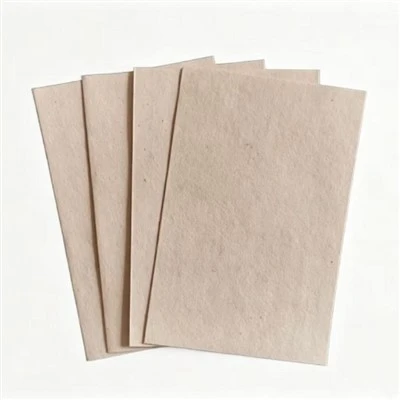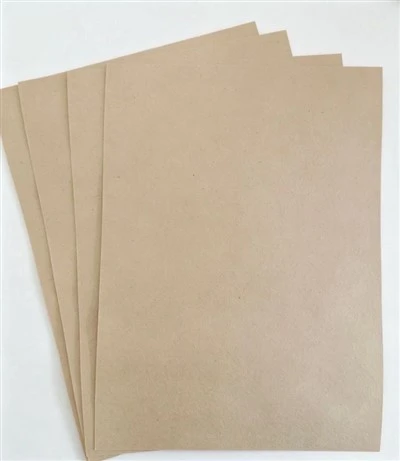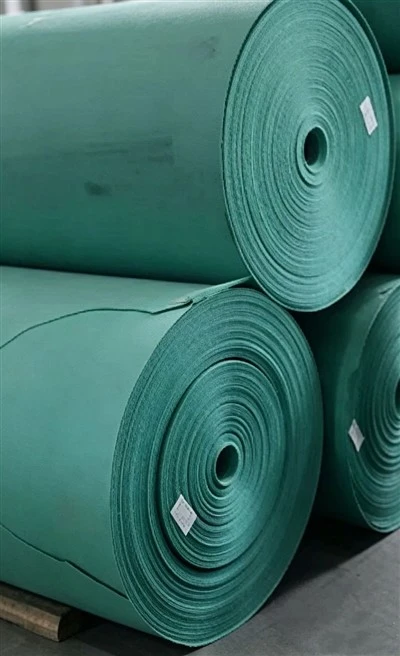


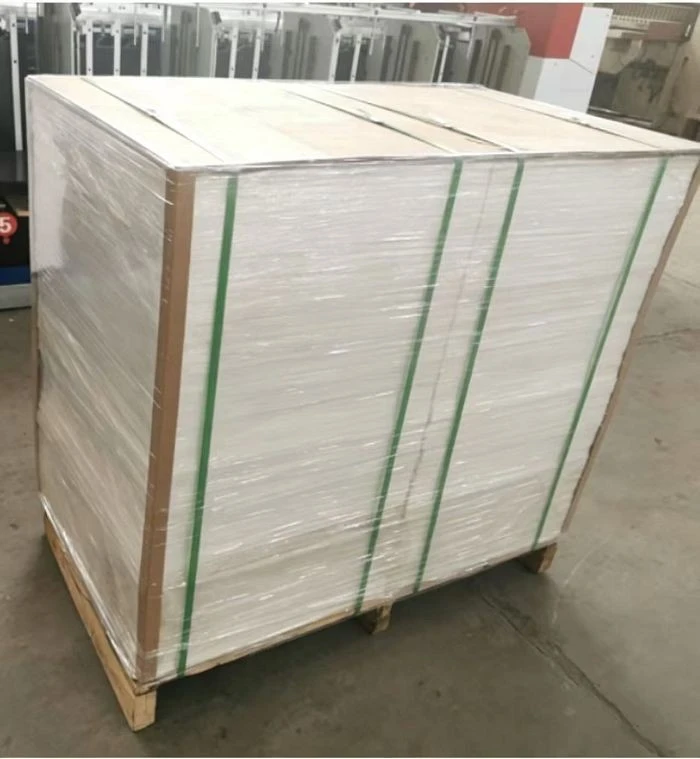

PCB hot-press cotton pulp paper is a high-temperature-resistant cushioning liner used in high-temperature PCB lamination. Its primary functions are to distribute heat and pressure evenly, provide cushioning and pressure relief, absorb moisture and act as a barrier, and protect both the PCB and the steel plate. It is suitable for hot-pressing environments at temperatures of 180–210°C and pressures of ≤40 kg/cm².
|
Technical Specifications for PCB Hot-Pressed Cotton Pulp Paper |
|
|
Specification |
Parameter Details |
|
I. Core Performance |
|
|
Material Composition |
High-purity cotton pulp (α-cellulose ≥99%) + high-temperature-resistant additives; fibres are uniform and free from impurities |
|
Grammage / Thickness |
120–350 g/m²; common specifications: 160 g (0.32 mm), 180 g (0.38 mm), 210 g (0.42 mm) |
|
Temperature Resistance |
Suitable for long-term use at 180–210°C; can withstand short-term exposure to 220–230°C without charring or becoming brittle |
|
Mechanical Strength |
Longitudinal tensile strength 3.5–7 kN/m, transverse 2–4 kN/m; bursting strength >225 kPa; good elasticity, resistant to tearing |
|
Dimensional Stability |
Shrinkage rate ≤ 0.1% at 180°C/1000 psi; no deformation after hot pressing |
|
Moisture Absorption and Air Permeability |
Moisture content 5–7%; air permeability ≥ 6.35 μm/Pa·s; effectively absorbs moisture and prevents bubbles |
|
Surface Characteristics |
Smooth with no frayed edges or holes; silicone coating prevents sticking and does not contaminate PCBs or steel plates |
|
Service life |
Can be reused 8–38 times under operating conditions of 180–210°C, 35 kg/cm², for 3 hours per cycle |
|
II. Key Quality Control Standards |
|
|
Appearance requirements |
Clean surface, free from creases, foreign matter and damage; uniform fibre distribution |
|
Moisture content |
3–8% (excessively high levels may cause bubbling; excessively low levels may cause brittleness and cracking) |
|
Tensile Strength |
Longitudinal ≥3.5 kN/m, Transverse ≥2 kN/m |
|
Thickness Tolerance |
±0.03 mm, ensuring uniform pressure distribution |
|
Environmental Compliance |
Complies with RoHS standards; no harmful emissions; does not affect PCB insulation performance |
|
Batch Consistency |
Variation in basis weight, thickness and strength within the same batch ≤5%, ensuring lamination consistency |
|
III. Applicable Operating Conditions and Process Compatibility |
|
|
Applicable Temperature Range |
Standard 180–210°C; up to 230°C for 5G/high-frequency boards, requiring the use of specialised high-heat-resistant grades |
|
Applicable Pressure Range |
25–40 kg/cm² (2.5–4 MPa), suitable for multilayer board/copper-clad laminate lamination processes |
|
Compatible Equipment |
PCB hot press, vacuum hot press, FPC/CCL lamination production lines |
|
Storage Environment |
Room temperature 20–25°C, humidity 40–60%; avoid moisture absorption or drying-induced brittleness; must be used in a cleanroom to prevent dust from adhering to the board surface |
|
Suitable Applications |
1. Laminating of multilayer PCBs, FPC flexible boards and copper-clad laminates (CCL); 2. High-frequency boards, thick copper boards and high Tg boards (≥170°C) |

160 g/m² PCB hot-pressed cotton pulp paper
Hot Tags: pcb hot-pressed cotton pulp paper, China pcb hot-pressed cotton pulp paper manufacturers, suppliers, factory