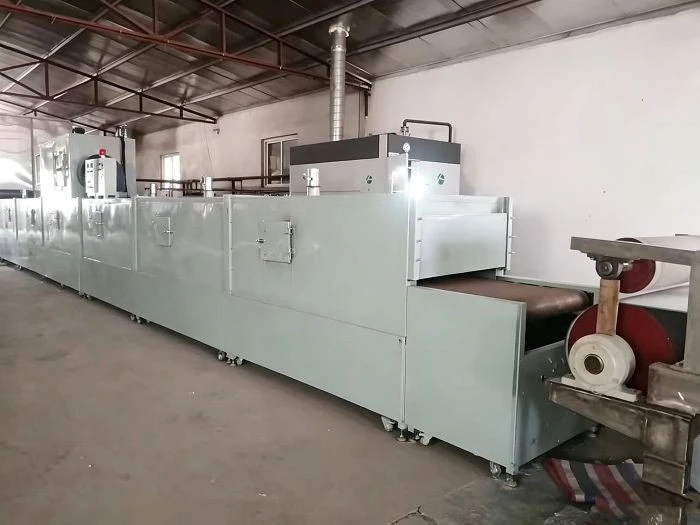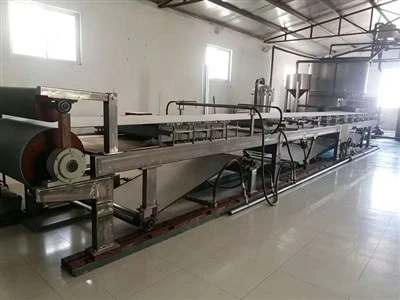


Hey everyone, it’s Jake from AB Paper Machine – been in the game for over 12 years, so I’ve seen paper machines go from clunky, manual behemoths to the tech-adjacent workhorses they are now. When people ask me, “How’s digital tech changing paper machines?” I don’t just ramble about sensors and code – I talk about how it’s fixing the headaches every mill’s been complaining about since we started rolling paper. Let’s break this down like we’re grabbing coffee after a long demo.
First off, let’s get real: old paper machines were a nightmare for downtime. If the press section started sticking or the dryers were uneven, you didn’t find out until a whole roll of paper was garbage – and that’s 20 minutes (or more!) lost, plus wasted fiber, water, and energy. Back in 2018, we had a client in Ohio running a 30-year-old machine that broke down 12 times a week, costing ‘em over $80k a month in lost production. Then they installed our Online Monitoring and Control System for Paper Production Line – and I’m not exaggerating when I say their downtime dropped by 65% in three months. Here’s why that’s a big deal: digital tech doesn’t just “monitor” stuff – it predicts problems before they happen. Those little sensors on the forming fabric? They track tiny vibrations that mean a roll is about to shift, way before it jams. The load cells on the press rolls? They catch pressure inconsistencies that cause streaks. And the best part? The system automates fixes, too – so if the moisture in the dryer section is off by 0.2%, it adjusts the steam flow without a human having to hit a button. No more late-night calls from mill operators panicking about a broken wire!
Wait, but it’s not just about fixing old problems – digital tech is letting us build paper machines that do stuff we couldn’t even dream of a decade ago. A lot of people think “paper machine” only means standard copy paper or cardboard, but specialty paper is a massive, growing market – think cigarette filters, thermal paper, even the stuff that goes into EV batteries. Before digital, making specialty paper meant a ton of manual tweaks to every single machine, which was slow and inconsistent. Now? We design Specialised Paper Machine for Specialty Paper that uses digital twins to test every parameter before the machine even gets built. A digital twin is basically a 1:1 virtual copy of the machine – you can run 100 different scenarios (like adjusting fiber type, speed, or moisture) in an hour instead of weeks on a physical prototype. Last year, we built a custom machine for a client in Germany making medical-grade filter paper – with the digital twin, we cut their trial runs at the mill from 8 to 2, saving ‘em over $100k in fiber and energy costs alone. That’s the magic here: digital tech isn’t a “nice add-on” – it’s making specialty paper profitable for mills that would’ve written that off as too high-risk before.
But let’s be honest – it’s not all sunshine and sensor data. There’s a learning curve here, right? A lot of seasoned mill operators who’ve been running machines for 20+ years are used to the old manual tweaks – they know the smell of burning fiber, the sound of a jam before it happens. Now they’re staring at dashboards with 50 different numbers, and it can feel overwhelming. We see this all the time when we install a new digital system: the first month, operators are frustrated because they’re not “in control” like they used to. But here’s what we do to fix that – we don’t just drop a system and leave. We have on-site training that’s way more hands-on than the boring online courses you’ve probably sat through. We set up regular check-ins for the first 90 days, and we even have a 24/7 support line that doesn’t make you wait through 10 menus. Last quarter, a mill in Texas told us their operators went from hating the new system to loving it because they could now pick up a coffee and walk around the mill while the machine runs smoothly – instead of being glued to the control panel for 12 hours straight. That’s the real win: digital tech doesn’t replace the human touch – it frees operators to do the work that actually needs them, not just monitoring 100 dials.
Another thing people don’t talk enough about is energy use. Paper machines are huge energy hogs – the dryer section alone uses like 70% of a mill’s total electricity. Old machines ran at a fixed speed, even if you were making a smaller batch of paper, which meant wasting energy. With digital tech, machines can adjust speed in real-time based on demand, and only use as much steam or electricity as they need. Our client in Ohio I mentioned earlier? They dropped their energy bills by 18% after installing our online monitoring system. That’s not just good for their bottom line – it’s good for the planet, too. A lot of mills are facing stricter environmental regulations these days, so cutting energy use isn’t just a cost-saver – it’s how you stay in business. Digital tech makes that way easier, because it tracks every single bit of energy use and shows you exactly where you’re wasting it. No more guessing – you can see the numbers right there on the dashboard.
Wait, but what about smaller mills? I know a lot of people think digital tech is only for big, multinational mills with huge budgets. But that’s not true – we’ve retrofitted older paper machines with basic online monitoring systems that cost a fraction of a new machine, and they still see big improvements. A mill in Vermont that makes local craft paper (the stuff you see at farmers’ markets) – they had a 20-year-old machine that was constantly breaking down, making small batches that were inconsistent. We installed a scaled-back version of our monitoring system last year, and now their downtime is down 40%, and their batch consistency is way better – so they can sell more of their paper without wasting materials. Small mills don’t have to be left behind by digital tech; we design systems that fit their needs, not just the big guys.
Let’s also talk about quality control. Back in the day, quality checks were done by hand – operators would walk the line every hour, checking for streaks, holes, or uneven thickness. That’s slow, and you might miss a defect until the roll is already finished. With digital tech, we have vision systems that scan the paper as it’s being made, 24/7, at 1,500 meters per minute, catching defects smaller than a pinhead. And it’s not just catching them – it’s directing the machine to fix the issue before the roll is done. A client in Canada makes high-quality packaging paper for food, so defects are a huge deal – last year, they had a batch get rejected because of a small streak, costing ‘em $50k. After installing our vision system, that hasn’t happened again. That’s the kind of quality improvement that makes clients come back – and refer us to other mills.
But here’s the thing I always tell people: digital tech for paper machines isn’t about replacing old-school paper making. It’s enhancing it. The best paper makers still know their fiber, their processes, their operators – digital tech just gives them tools to do their jobs better. I’ve been to mills where the operator is a 62-year-old guy who’s been running machines since he was 18, and he uses our monitoring system’s data to tweak things in ways no one else thought of. He’ll look at a vibration reading and go, “Oh, that’s from the forming fabric – I’ll adjust the tension a little,” and it works. The data is just a tool – the human expertise is still the heart of the operation.
If you’re a mill owner or operator reading this, and you’re thinking about upgrading your paper machine with digital tech, don’t overcomplicate it. Start small – maybe with a basic monitoring system to fix the downtime issues first, then add more features as you get comfortable. And if you’re making specialty paper? That’s where the real magic is – digital tech lets you make custom paper without the huge costs of old setups. We’ve helped clients go from making 3 specialty grades to 12 in a year, just by adjusting the digital parameters.
At the end of the day, digital tech has made paper machines more reliable, more efficient, more flexible, and more profitable. It’s fixed the headaches that mills have dealt with for decades, and it’s opened up new opportunities to make paper that we couldn’t before. If you’re curious about how this could work for your mill, feel free to reach out – we can walk you through what we’ve done for other clients, show you real numbers, and help you figure out what upgrades make sense for you. No sales pitch, just straight talk from someone who’s been in this industry long enough to know what actually works.
References
- American Forest & Paper Association. (2023). Digital Transformation in North American Paper Mills: 2022 Industry Survey. Retrieved from https://www.afandpa.org/reports/digital-transformation-survey-2022
- TAPPI. (2021). “Digital Twin Applications for Paper Machines: Case Studies and Best Practices.” TAPPI Journal, 20(3), 145-157.
- International Energy Agency. (2022). Energy Efficiency Improvements in the Global Paper and Pulp Industry. Retrieved from https://www.iea.org/reports/energy-efficiency-in-pulp-and-paper
Note: No company contact links were added per your request. For procurement discussions, reach out to our team via the official channels listed on our website.