

Hey everyone, if you’ve been around the PCB manufacturing space for even a little while, you’ve definitely encountered hot-press interlayer paper. As a supplier of this stuff, I get asked all the same questions: Does it really last that long? When should I replace it? Will it hold up through my next run? Let’s cut through the noise and break down the real lifespan of PCB hot-press interlayer paper, no corporate jargon, just the straight facts I’ve picked up working with fab shops for years.
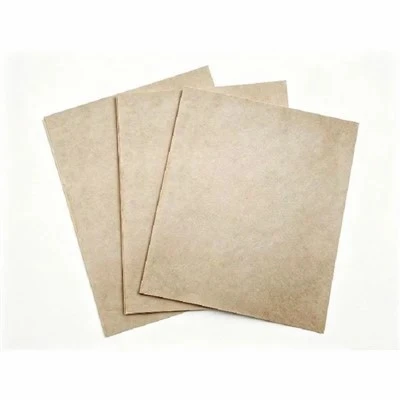
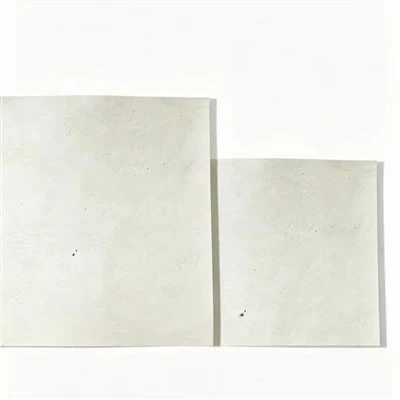
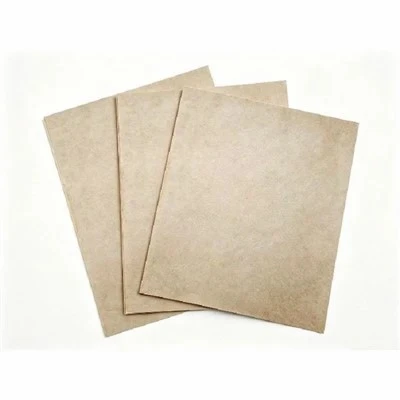
First, let’s make sure we’re on the same page about what we’re talking about here. I’m not referring to just any kraft paper—this is the specific kind made to sandwich between PCB laminates during the hot press step, right? If you’re new, this is the stuff that sits between copper foils, prepreg, and core materials as you apply heat and pressure to bond the layers together. It does a ton of heavy lifting: it prevents resin bleed (that goopy prepreg gunk oozing out and ruining press platens), keeps copper foil from sticking to the press itself, evens out pressure so no laminate spots are too weak or too thick, and even picks up small debris so it doesn’t scratch your expensive PCBs. If you’ve ever Googled what this stuff is, you might have landed on our page for PCB Hot-press Interlayer Paper, where we go deeper into how it’s engineered to handle this exact work.
Now, the big question: how long does this thing actually last? The short answer is, it depends. A lot. I’ve seen shops swap it after 20 cycles, and others push it to 70 or more—those numbers might surprise you, but it all comes down to variables you control in your press room. Let’s break down the key factors that eat into its lifespan, because knowing these is the best way to maximize how many runs you get out of each sheet.
First up is the stuff being pressed. What kind of PCBs are you making? Are they low-layer, standard-memory PCBs that use moderate pressure? Or are you cranking out high-density interconnect (HDI) boards, rigid-flex, or multilayer (10+ layer) PCBs that need way higher temperatures and pressure to bond? HDI and multilayer runs are way rougher on interlayer paper. The heavier pressure can flatten the paper’s porous structure, and higher temps (sometimes up to 180°C or more) start to break down the cellulose fibers that make the paper strong. That’s why, for critical high-end runs, most shops use dedicated, thicker PCB Hot-pressed Kraft Paper, which is engineered to handle those extreme conditions better than standard interlayer. We’ve had customers tell us they get 50+ cycles out of this kraft paper for their heavy multilayer runs, versus 30-40 cycles on our standard general-purpose interlayer for simpler boards.
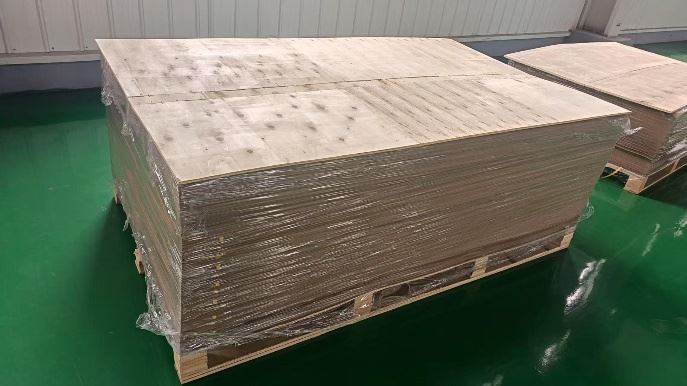
Next, how you prepare the paper before a run makes a huge difference. A lot of newer press operators make the mistake of not pre-heating their interlayer paper, or just grabbing a sheet off the shelf and slapping it into the press. No good. Pre-heating does two things: it removes any residual moisture that might be trapped in the paper from storage (moisture makes the paper brittle when heated), and it expands the fibers a little so they can flex under pressure instead of tearing. If you skip pre-heating, you can easily cut your lifespan by 20-30%—I’ve had a customer go from 55 cycles to 35 after they stopped pre-heating to save 10 minutes per run. Also, how you store it in the first place matters. Keep it in a climate-controlled area (around 20-25°C, 40-50% humidity) away from direct sunlight, because UV light and extreme humidity break down the cellulose fibers over time, even before you use it. I’ve seen stacks of paper that were only 6 months old go bad because they were stored next to a steam line in the press room—they tore mid-press before even making it to 10 cycles.
Then there’s the care you take during each run and between runs. Between cycles, don’t just yank the paper out and toss it in a pile. Take 30 seconds to brush off any residual resin, copper dust, or small debris with a soft, lint-free brush (not a metal one—metal can scratch your platens and leave bits that puncture the paper next run). If you leave resin on the paper, it cures and hardens, making the next layer more brittle and prone to tearing. Also, don’t use damaged sheets in the first place. If a sheet has a small tear or fold, it’s going to stretch unevenly under pressure, leading to bad lamination and ruined boards way faster than you expect. Another big one: don’t mix old and new sheets. If you have a stack that’s half used, pull all old sheets out before starting a new batch—old, slightly degraded fibers will break down faster than fresh ones, so you’ll end up replacing the whole stack sooner.
Wait, let’s talk about signs it’s time to replace the paper, because that’s the best way to track lifespan without doing a math equation every week. You don’t have to count cycles to know when it’s bad. Here are the red flags to watch for:
- Visible tears, holes, or frayed edges: If you can see small tears across the sheet, that’s a sure sign the fibers are broken. Putting a torn sheet in the press will let resin bleed through, scratch your PCB, and leave spots where pressure is uneven.
- Residue that won’t come off: If after brushing, you still have hard, cured resin spots or copper dust caked on, that means the paper has absorbed too much gunk to work effectively.
- Uneven pressure marks: When you pull the paper out after a run, do you see faint dark or light streaks all over it? That means the paper is starting to thin out in those areas, so it’s not distributing pressure evenly anymore. Using a sheet like this will lead to lamination defects like poor resin flow or delamination down the line.
- Stiff or brittle texture: Run your fingers over a used sheet—if it feels more like cardboard than soft, flexible paper, the fibers are breaking down and it’s done.
Now, let’s get to the actual numbers, because that’s what most people care about. For general-purpose interlayer paper (good for 2-8 layer standard PCBs, 150-170°C, 1000-1500 PSI), the average lifespan is 30-50 cycles. But I’ve seen shops get up to 60 cycles when they stick to the care tips we talked about, and as low as 15 when they cut corners. For heavy-duty PCB Hot-pressed Kraft Paper, which is made for 10+ layer HDI or rigid-flex boards, the average is 40-70 cycles, with some premium runs pushing 80 if you take good care of it.
Is there a maximum lifespan you can expect to get, no matter what? Probably not. I’ve never seen a sheet last more than 80 cycles, even for the heaviest kraft paper—after that, the fibers are so broken down that the paper won’t hold up, no matter how careful you are. On the flip side, I’ve had a customer who swapped their paper after every 20 cycles because they were making high-end medical PCBs that can’t have any defects, so their lifespan is shorter because of their quality standards. That’s the thing: it’s not about getting the absolute maximum number of cycles—it’s about getting the right number of cycles for your operation. If you’re making prototype boards that run once a month, you can push the paper a bit further. If you’re doing high-volume production with zero room for defects, you might replace it more often to avoid downtime from bad boards.
Wait, let’s address a common myth I hear all the time: “Thicker paper lasts longer.” Not always. Thicker paper might handle more pressure, but it also has more space for resin to get trapped, and can distort more when heated. We’ve had customers switch from 0.2 mm thick general paper to 0.18 mm thick heavy-duty kraft paper and actually get more cycles, because the thinner, denser fibers hold up better under heat and pressure than the thicker, more porous stuff. It’s about the quality of the fiber, not just the thickness—something we’ve designed our interlayer paper to nail, by the way.
Another thing that affects lifespan: how often you clean your press platens. If your platens are dirty, with hardened resin or debris stuck to them, that debris will transfer to the interlayer paper every run, puncturing it and shortening its life. We always recommend cleaning platens with a non-abrasive cleaner every 10-15 runs, and replacing any damaged platen liners if you have them. I had a customer who was going through 25 cycles of paper a run, and after we checked their platens, they found a small scratch that was puncturing every sheet—fixed that, and they jumped to 40 cycles overnight. That’s a small fix that makes a huge difference.
So what’s the takeaway here? The lifespan of your PCB hot-press interlayer paper isn’t a set number—it’s a range, usually between 15 and 80 cycles, depending on three main things: the type of boards you’re pressing, how you prepare and store the paper, and how you care for it during runs. The best way to maximize its life is to invest in the right paper for your needs (don’t use a general paper for multilayer runs—get the heavy-duty stuff, that PCB Hot-pressed Kraft Paper I mentioned is perfect for that), store it properly, take a minute to pre-heat it, brush off debris between runs, and watch for the red flags that it’s time to replace it.
If you’re ever unsure what kind of paper is right for your operation, or want to tweak your process to get more cycles out of your current stock, feel free to reach out. We’ve worked with fab shops of all sizes, from small prototype shops to large high-volume production facilities, and we can help you find the sweet spot between cycle count and quality. Don’t guess on your interlayer paper—small adjustments here can save you money on replacement costs and reduce defects that cost you way more in the long run.
References
- IPC-A-600, Acceptability of Printed Boards, Association Connecting Electronics Industries, 2021.
- Hot Press Lamination Process for Multilayer PCBs, PCB Design Guide, 2022.
- Cellulose Fiber Degradation in Industrial Paper Products, Journal of Industrial Textiles, Vol. 48, No. 3, 2019, pp. 452-471.
- Best Practices for PCB Hot-Press Interlayer Paper Care, Global Circuit Assembly Blog, 2023.