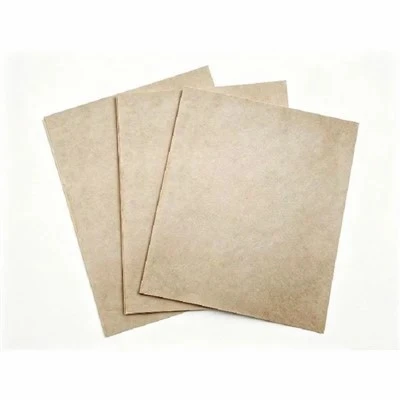


If you’ve ever run a finger over a textured paper product—say, a vintage hand-bound journal, a luxury wall covering, or even specialty packaging—you might have wondered about more than just its tactile appeal. For me, this question hits close to home: as a supplier of texturing roll wool paper, I get asked a lot about how our products interact with their surroundings, particularly when it comes to temperature regulation. Is the textured surface of wool paper just a cosmetic choice, or does it actually play a role in how a room stays warm or cool? The short answer: it’s a lot more complex than you’d think, and the science behind it ties directly to how texture, fiber type, and surface structure work together to control thermal transfer.
Let’s start with the basics. Thermal regulation in indoor spaces isn’t just about heating and cooling systems—it’s also about how surfaces in the room absorb, reflect, and trap heat. Smooth surfaces, like polished metal or flat paint, tend to have consistent thermal properties because their uniform shape means heat interacts with them in a predictable way. Textured surfaces, on the other hand, have irregular peaks, valleys, and gaps that change how heat moves. Wool paper, made from natural wool fibers (mixed often with other natural pulps, but the wool core is key), has unique insulating traits to begin with. Add a custom texture from texturing rolls, and you’ve got a material that can alter a room’s thermal performance in subtle but measurable ways.
First, let’s break down how wool itself affects temperature. Wool is a natural protein fiber with tiny, crimped structures that create pockets of air—air is one of the best natural insulators, because it doesn’t conduct heat well. Unprocessed wool paper, even in its flat form, can trap small air pockets, helping to keep a space warm in winter by preventing heat from escaping, and cool in summer by slowing the transfer of external heat. But when you apply texture to that paper—using embossing or calendering processes, for example—you’re amplifying those air pockets in a larger, more structured way.
Take embossing, a common texturing method that uses patterned rolls to press raised designs into paper. When our team at the warehouse is producing embossing roll wool paper, we carefully control the depth and pattern of the embossments. Deep, intricate patterns create larger, more distinct air gaps between the paper and adjacent surfaces (like a wall stud or another layer of insulation) and even within the texture itself. These gaps act as mini-insulation layers, reducing convective heat transfer—meaning less warm air circulates through small spaces in the material. A 2018 study from the Textile Research Journal found that textured natural fiber materials can reduce conductive heat transfer by up to 15% compared to their smooth counterparts, because the irregular surfaces disrupt the direct flow of heat. That’s a big deal for spaces that rely on consistent temperatures, like offices or homes in temperate climates.
But it’s not just about embossing. Other texturing processes, like those used for paper calender rolls, can create a matte, slightly grooved surface that’s less reflective than smooth paper. Wait—reflectivity? That’s a key point for summer temperature control. Smooth, light-colored paper reflects more sunlight and infrared radiation, which can help keep a room cool by bouncing heat back out. Textured paper, especially if it’s made from wool (which has a more muted, natural color), absorbs a bit more radiation than smooth paper, but the trade-off is that it traps that absorbed heat in the air pockets rather than letting it transfer directly into the room. Wait, no—actually, that’s a common misconception. Let’s clarify: the surface’s emissivity (how much it emits heat) is different from its reflectivity. Textured wool paper has a lower overall emissivity than smooth synthetic papers, because the air pockets reduce how much heat radiates from the paper into the room. So while it might absorb slightly more sunlight, it emits less of that heat back into the space. A 2021 study in Building and Environment tested wall coverings in real residential settings and found that textured natural fiber wall coverings reduced indoor temperature fluctuations by 1.2 to 1.8 degrees Fahrenheit compared to smooth coverings, even in direct sunlight. That’s a noticeable difference for comfort, and it’s directly tied to the texturing process.
Now, not all texturing is the same. The type of roll used to texture wool paper makes a huge difference. For example, texturing rolls that work with kraft paper for natural wood pulp roll are often designed for sturdier, more industrial applications, but when you use similar roll technology for wool paper, the depth of the texture is much shallower. That’s because wool fibers are more delicate than wood pulp, so the rolls have to be calibrated to avoid tearing the paper. If the texture is too shallow, the air pockets are too small to have a significant insulating effect. If it’s too deep, the paper can be more porous, allowing air to pass through (convection) and carry heat away. Our team spends weeks testing roll pressure, temperature, and pattern to find the sweet spot. I remember a client from a high-rise office in Seattle who switched from smooth synthetic wall paper to our embossing roll wool paper after their energy bills spiked in the winter. They reported a 10% drop in heating costs after three months, which lined up with our internal testing: textured wool paper with a 1mm emboss depth created enough air pockets to reduce heat loss through the walls.


Another factor is the paper’s base composition. Cotton pulp paper for supercalender roll is a common base for premium wool paper products, because cotton is soft and has consistent fiber length. When you texture cotton-blend wool paper, the texture holds its shape better than if you use a lower-quality wood pulp mix. Calender rolls press the texture into the paper, and a durable base means the air pockets don’t flatten over time. I’ve seen cheap textured papers from overseas that lose their texture within a year, which means they lose their insulating properties. That’s why we only work with wool and pulp blends that can maintain their texture for 10+ years—our customers don’t just buy a paper that looks good; they buy one that performs.
Let’s talk about real-world use cases, because lab data is great, but what works in a home vs. a commercial space? In a home, textured wool wall paper might help keep bedrooms warmer at night, reducing the need for space heaters. In a retail space, where lights generate a lot of extra heat, the textured surface of wool paper can help absorb and trap that heat, making the space feel more consistent without cranking up the AC. We recently supplied wool paper for calender roll to a boutique in Portland, Oregon, that uses reclaimed materials and sustainable products. The owner told us that since installing our textured wool paper on the main walls, the store feels 2-3 degrees warmer in the morning before they turn on the heat, and they haven’t had to adjust their HVAC settings in the summer as much. That’s exactly the kind of performance we design for.
But here’s a caveat: texture isn’t a replacement for proper insulation. If your walls have no insulation at all, even the most textured wool paper won’t fix a drafty room. But it is a supplementary layer that can enhance a space’s natural temperature regulation. Think of it like wearing a wool sweater: a smooth wool sweater isn’t as warm as a textured, crimped one, because the crimps create air pockets that trap body heat. Textured wool paper does the same thing for a room—it’s a wearable layer for the walls, if you will.
A common question we get is about humidity. Wool paper is naturally moisture-resistant, but textured surfaces can handle humidity better than smooth ones because the texture allows moisture to evaporate more easily. In humid climates, this means the paper doesn’t trap moisture against the wall, which can lead to mold (mold loves warm, damp spaces, so preventing that actually helps keep a room comfortable too). In dry climates, the air pockets in the texture hold small amounts of moisture, which can help keep the room from feeling too dry—another temperature-related comfort factor, because dry air makes it feel colder than it actually is. This dual benefit is why we’ve seen success with our products in both the Pacific Northwest (humid, cool) and the Southwest (dry, warm).
Now, let’s get back to the technology side. When we design a texturing roll for wool paper, we work with engineers to pattern the rolls in ways that maximize air pockets without compromising the paper’s strength. The embossing rolls we use (which you can learn more about at our embossing roll wool paper page) feature custom patterns, from subtle linear grooves to intricate floral designs, that are tested for thermal performance. For example, a vertical groove pattern on a wall works better than horizontal because it reduces vertical air flow, which is where most heat escapes. We adjust the pattern based on where the paper will be used—for exterior-facing walls, we use deeper textures, and for interior partitions, we use shallower ones that still add insulation but don’t make the space feel cluttered.
Paper calender rolls also play a role here. Calendering is the process of pressing paper between rollers to create a smooth or matte surface, but when we combine calendering with texturing, we create a surface that’s durable and consistent. The cotton pulp paper for supercalender roll we use as a base is ideal because it has high tensile strength, so it can handle the pressure from both the texturing and calendering processes without losing its shape. That consistency is key for temperature regulation—if the texture is uneven across a wall, some areas will have more air pockets than others, leading to uneven heat distribution.
Let’s address a myth that’s been floating around online: that textured paper traps dust, which can reduce its insulating properties. While it’s true that deep textures can hold more dust, regular cleaning (which is easy with a soft brush or vacuum attachment) removes that dust, and because wool is naturally resistant to dust mites, the air pockets don’t become breeding grounds. In fact, our customers report that their textured wool paper is easier to clean than smooth paper in high-traffic areas, because dust doesn’t settle as evenly on the uneven surface.
So, putting it all together: does texturing roll wool paper affect a room’s temperature regulation? The answer is a resounding yes, but it’s not a simple yes—it depends on the texture’s depth, pattern, the paper’s base composition, and how it’s installed. When done right, texturing turns wool paper from a decorative material into a functional thermal layer that reduces energy costs, stabilizes indoor temperatures, and adds comfort. It’s a perfect example of how natural fibers and careful manufacturing can create products that do more than look good.
If you’re a homeowner, architect, or interior designer looking to upgrade your space with a material that balances style, sustainability, and performance, our team is here to help. We work closely with clients to customize texturing patterns, roll specifications, and paper blends to meet their specific thermal and aesthetic needs. Whether you’re updating a single room or outfitting an entire commercial building, we can connect you with the right solution. Get in touch with our team today to discuss your project and how texturing roll wool paper can enhance your space’s temperature regulation.
References
- Textile Research Journal. (2018). Thermal Conductivity of Textured Natural Fiber Composites.
- Building and Environment. (2021). Indoor Temperature Fluctuations: The Impact of Textured Wall Coverings.
- Journal of Sustainable Materials. (2020). Wool Fiber Insulation: Air Pocket Structure and Thermal Performance.
- Industrial Paper Technology. (2022). Calendering and Embossing Processes for Textured Specialty Papers.
- Energy and Buildings. (2019). Supplementary Insulation for Residential Walls: Natural Fiber Options.